In the exhibition industry, people often remember the booths that stand out or designs that capture their attention. But for P.A.D Creations, project success does not begin on the day the construction team arrives on-site.
It begins much earlier—when everyone sits around the table, discusses the brief, builds a shared understanding, and plans the entire process together.
From the company’s perspective, a booth that is completed on time and meets the required quality standards is not the result of being better at solving problems on-site. It is the result of better preparation from the very beginning.
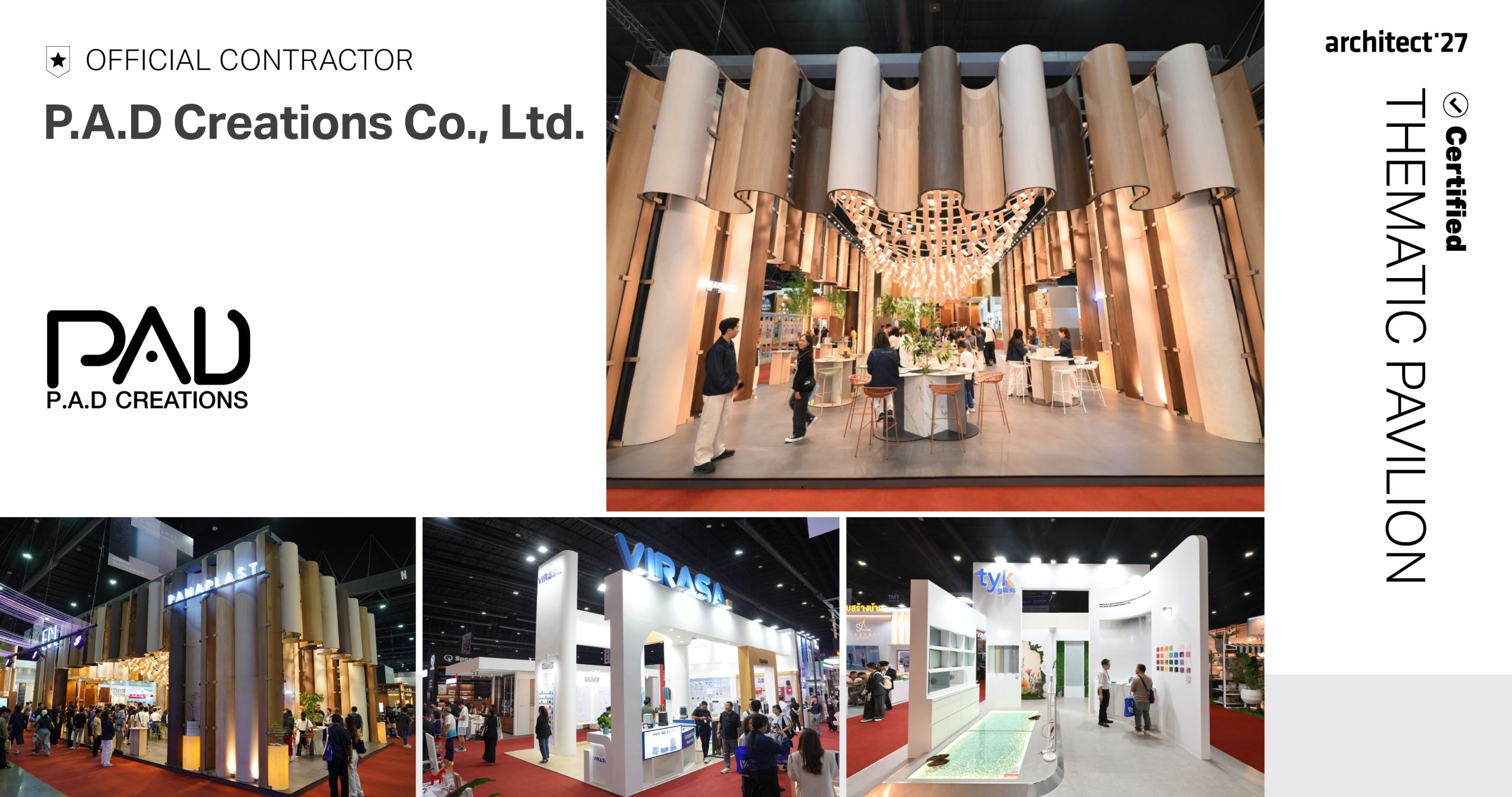
Over the years, P.A.D Creations has designed, produced, and constructed exhibition projects and commercial interiors for a wide range of leading brands, both nationally and internationally.
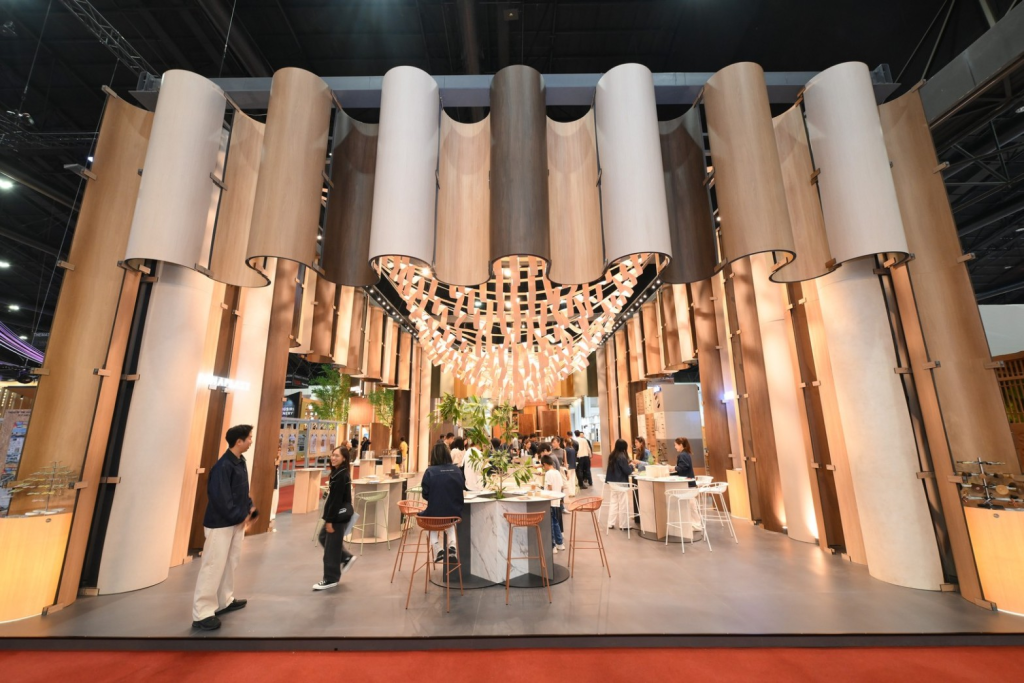
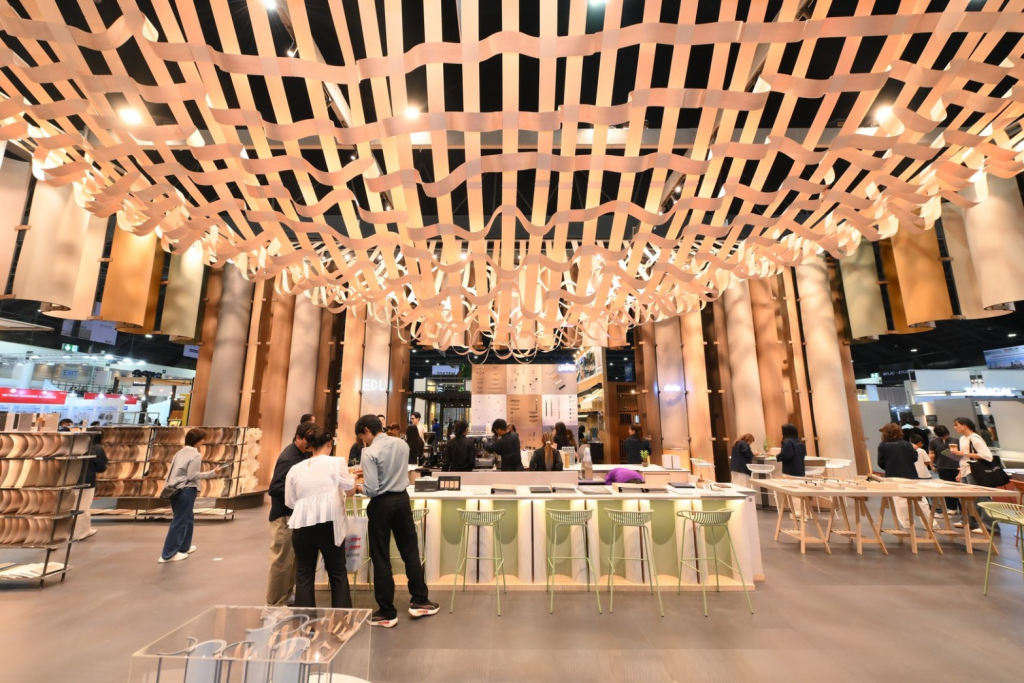
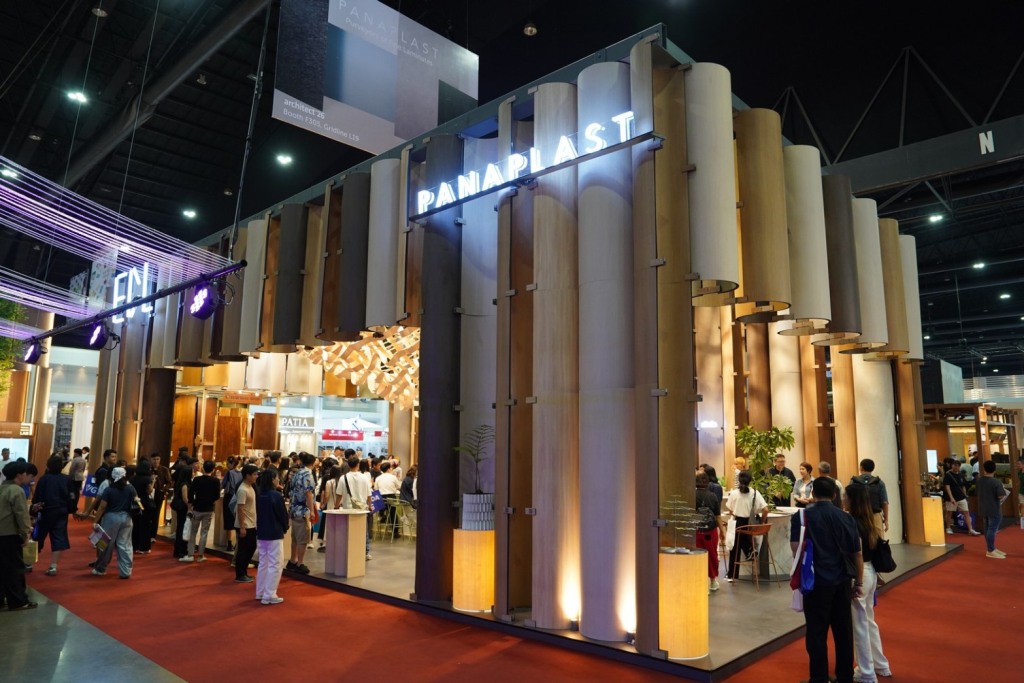
One of its notable projects was the EDL Pavilion at Architect’26, which clearly reflected the company’s approach to project management, resource allocation, and delivery under tight installation deadlines.
“We Are Not Just a Contractor. We Are Part of Our Client’s Success.”
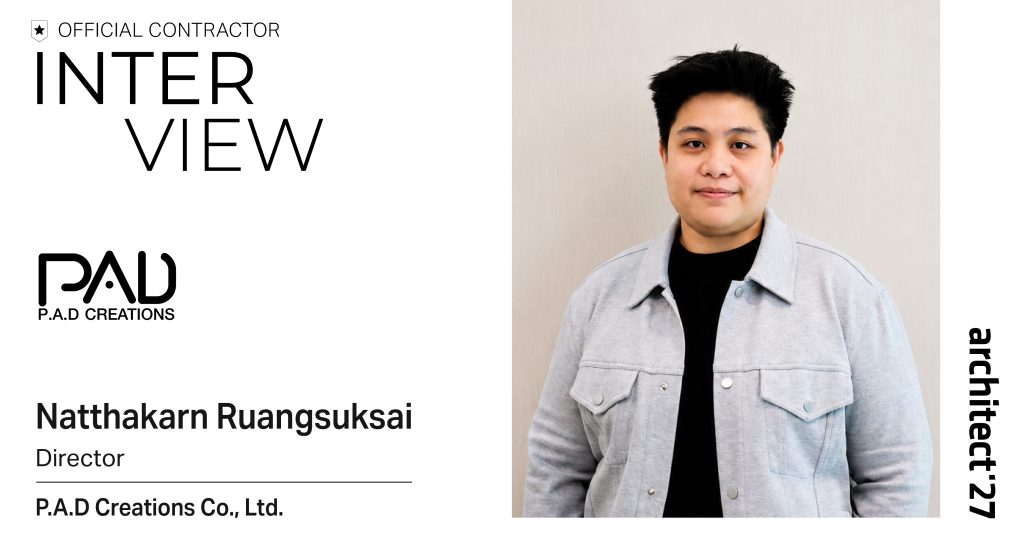
Mint–Natthakarn Ruangsuksai, Director of P.A.D Creations Co., Ltd., explains that a contractor’s responsibility does not end with building a booth according to the design or completing it on time.
The team must also understand what the client is investing in and what they want that investment to achieve.
“We are only one part of our client’s success.”
This simple statement has become a core principle behind the company’s approach to every project.
Before design or production begins, the team takes the time to understand everything from the brand’s image and target audience to the objectives behind participating in the exhibition.
When everyone shares the same understanding of the goal, decisions throughout the project become much clearer—from material selection and construction methods to the sequencing of work.
For P.A.D, project success is therefore not measured simply by delivering a visually impressive booth. It means creating a space that fulfills its intended purpose—whether that means creating an engaging visitor experience, supporting sales, or helping the client achieve its broader business objectives.
Whether a Booth Succeeds or Fails Is Decided While It Is Still on Paper
Many people see the installation period as the most stressful stage of an exhibition project. P.A.D, however, believes that the most critical period comes before production even begins.
Every project starts by breaking the work down into detailed steps—from production and transportation to installation and risk assessment.
The objective is to ensure that everyone shares the same understanding before work begins.
For P.A.D, having a timeline is not enough. What matters is making sure that the timeline is realistic and achievable.
This begins with mapping out the sequence of activities from the moment the first delivery vehicle enters the exhibition hall: Which components need to be unloaded first? Which team should begin work in which area? Even seemingly minor details—such as producing carts for on-site use, scheduling crane operations, and assigning responsibility for each task—are planned in advance.
The team also considers how the workflow should be adjusted if unexpected situations occur.
Alongside this detailed planning, P.A.D uses data to support its decisions, including manpower requirements, estimated durations for each stage, and Worst-Case Scenario simulations to prepare contingency plans for unexpected events.
For P.A.D, decisions should not rely solely on experience or routine. They should always be supported by data.
This approach is applied to every project, including the EDL Pavilion at Architect’26, which involved a large-scale structure with numerous details and a limited installation period.
Thorough preparation at the factory helped the team minimize on-site issues, maintain control over the installation sequence, and complete the project according to plan.
A Good Contractor Must Be Precise—and Willing to Speak Up When Necessary
Although exhibitions are driven by creativity, P.A.D believes that creativity can only truly come to life when it is physically achievable.
For this reason, the company works with designers and clients as partners, rather than simply operating within a conventional client-contractor relationship.
If the team identifies details that could affect structural integrity, safety, installation time, or site limitations, it communicates directly with the designer and proposes alternatives that preserve as much of the original design concept as possible.
The goal is to address potential issues before they become problems on installation day.
P.A.D believes that good communication does not mean agreeing with everything. It means having the courage to say what needs to be said, so that everyone can make informed decisions based on the same information and work together toward the best possible outcome.
The Quality of the Work Begins with the Quality of the People
Another key principle at P.A.D is team management.
The company believes that quality does not depend solely on materials or equipment. It also depends on the people behind every process—from production and installation teams to on-site supervisors.
For this reason, P.A.D evaluates its team’s capacity before accepting every project.
If taking on an additional project could compromise the quality of existing work, the company would rather turn down the project than take on more work than it can properly handle.
When necessary, P.A.D is also prepared to invest in additional manpower and resources to ensure that teams can work efficiently without rushing in ways that could compromise quality or safety.
The same principle extends to the company’s approach to Sustainability.
P.A.D considers the use of reusable materials, reducing production waste, and proposing solutions that help clients make the most effective use of their budgets.
When resources are managed responsibly, the benefits extend beyond individual projects to both the business and the wider industry over the long term.
Exhibition Success Is Not Measured by the Handover Date Alone
P.A.D Creations believes that booth construction is not simply about turning a design on paper into a physical structure.
It is about managing every element of a project in the same direction—from understanding the client’s objectives and planning the workflow to using data to support decisions, collaborating with designers, and managing the people behind every stage of execution.
Ultimately, a good booth may capture people’s attention for only a few days.
But good project management is what brings clients back again.
And that is the kind of success P.A.D Creations has always valued.