For any exhibition, getting products into the exhibition venue may seem like just another step in event preparation. In reality, however, every item that arrives at a booth on schedule is the result of careful planning and coordination across multiple stages, from international transportation and customs clearance to warehousing, cargo handling, and final delivery to the exhibition floor.
This is particularly true for architecture and building materials exhibitions, where shipments may include oversized products, heavy machinery, and materials sourced from different countries. The challenge is not simply getting goods to their destination, but ensuring that every item arrives at the right place, at the right time, and in exhibition-ready condition.
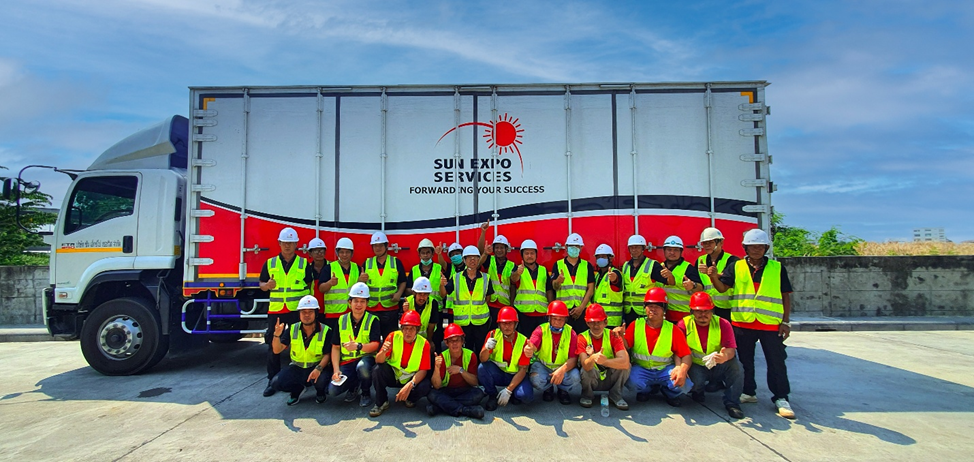
As the Official Freight Forwarder for Architect Expo, Sun Expo Services Co., Ltd. (Sun Expo) plays a vital role throughout this process, supporting exhibitors from origin to the exhibition floor to ensure smooth and efficient logistics operations. Toranee Din Chiochan, Managing Director of Sun Expo Services Co., Ltd., shares his experience and insights into Exhibition Freight & Logistics, drawing on decades of industry expertise.
More Than 40 Years of Experience in Exhibition Logistics
Sun Expo began as a family business. Toranee’s father entered the exhibition freight forwarding industry in 1983, working at an established company alongside the same team for many years. In 2007, his father and the team established their own company, Sun Expo, and continued developing their Exhibition Logistics business, which has grown to this day.
Beyond Exhibition Logistics, the company has expanded its expertise to include relocation and cargo handling services for offices, factories, and warehouses. Today, Sun Expo’s core business covers both Exhibition Logistics and industrial relocation services.
What distinguishes an Exhibition Freight Forwarder from a conventional freight forwarder goes beyond transportation itself. It lies in the ability to manage the diverse origins of shipments, the wide variety of products involved, and the specific import requirements associated with each shipment. Exhibitors come from around the world, bringing everything from food, pharmaceuticals, and beverages to machinery, automobiles, and products requiring specialized import permits.
“An Exhibition Freight Forwarder must be able to handle imports and exports from every country represented by exhibitors at an event, while also providing guidance on import procedures and the relevant documentation.”
This expertise extends well beyond booking sea or air freight. It also involves coordinating with government agencies, preparing documentation, and planning customs clearance in accordance with the exhibition timeline.
When Time Is Critical in Exhibition Logistics
Another key difference lies in the timeline. In conventional freight transportation, a delay of one or two days may still be manageable. At an exhibition, however, even a delay of a few days can mean that products fail to reach the exhibition floor in time for the event.
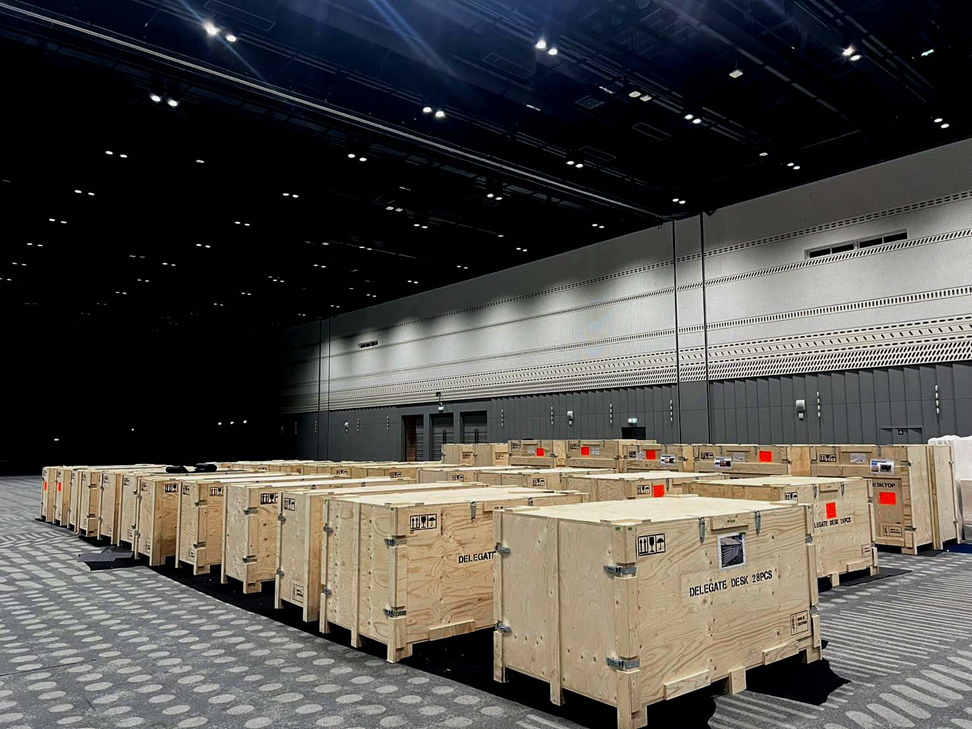
This makes early planning essential, from selecting transportation routes and preparing documentation to coordinating with overseas agents and verifying the import requirements for each product category.
One important service for exhibitions is Temporary Import, which allows exhibitors to bring goods into Thailand for display without paying import duties under the normal import process, provided the applicable conditions are met and the goods are subsequently re-exported after the event. Sun Expo advises clients on and facilitates suitable arrangements depending on the products and circumstances, including ATA Carnets, bank guarantees, and cash guarantees.
The company can also advise on situations in which certain goods do not need to be returned to their country of origin, such as cases involving destruction or donations through the relevant authorities and organizations.
Cost, Timeline, Handling, and Delivery Must Work Together
Exhibition freight management cannot be viewed simply in terms of transportation costs. Cost, Timeline, Handling, and Delivery must all be managed in balance and coordinated throughout the entire process.
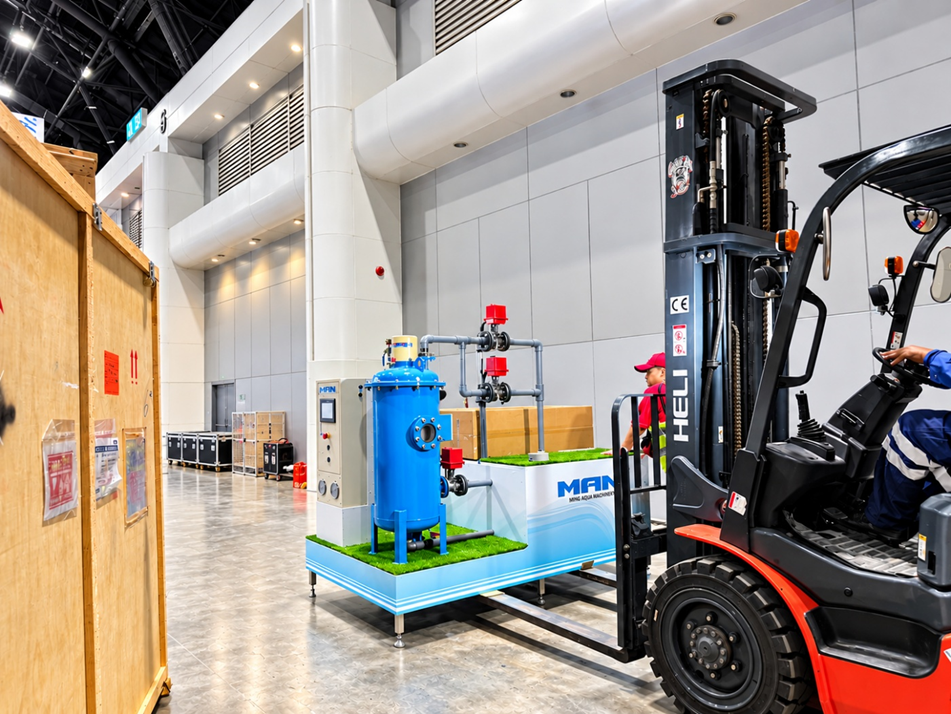
In terms of cost, one of the key strategies is sharing expenses. This can include international transportation, customs clearance, and onsite operations. By consolidating shipments from multiple exhibitors or sharing resources such as trucks, cranes, and lifting equipment, the cost per exhibitor can be reduced.
The choice of transportation method is equally important. When sufficient time is available, sea freight is generally far more economical than air freight, although it requires longer lead times and advance planning. The earlier exhibitors make their decisions, the more opportunities they have to select the most suitable transportation method and manage their budgets effectively.
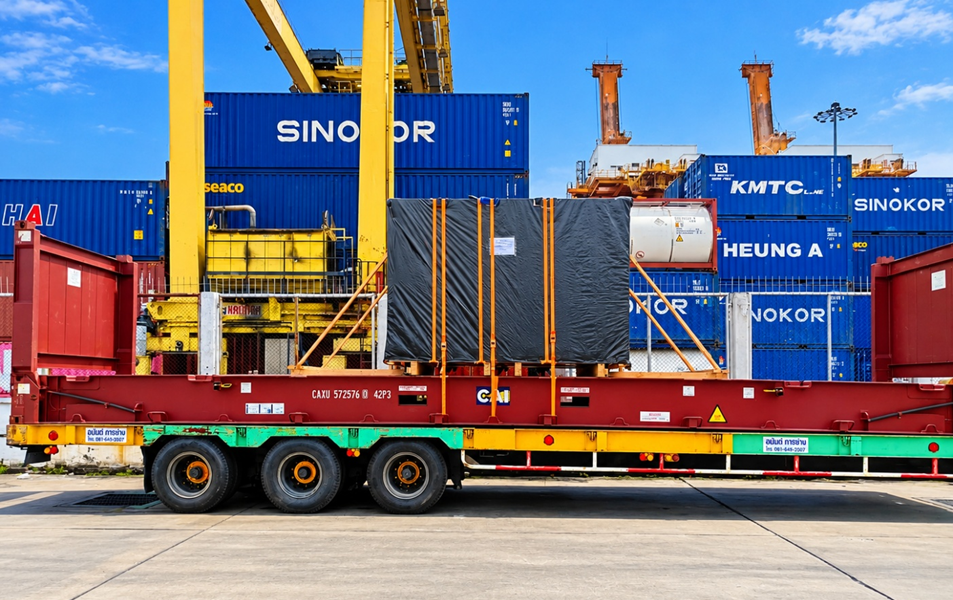
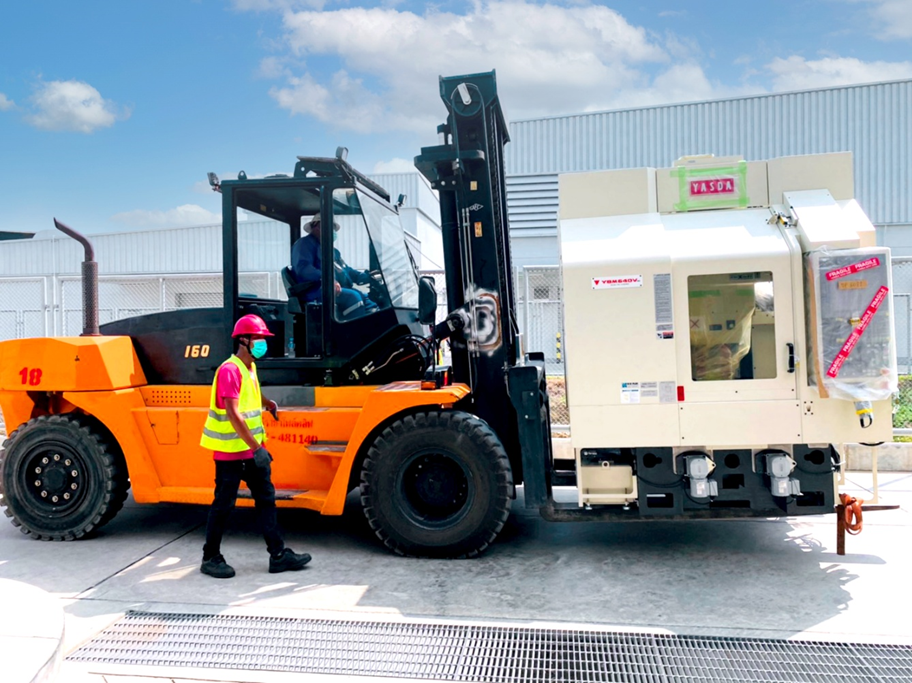
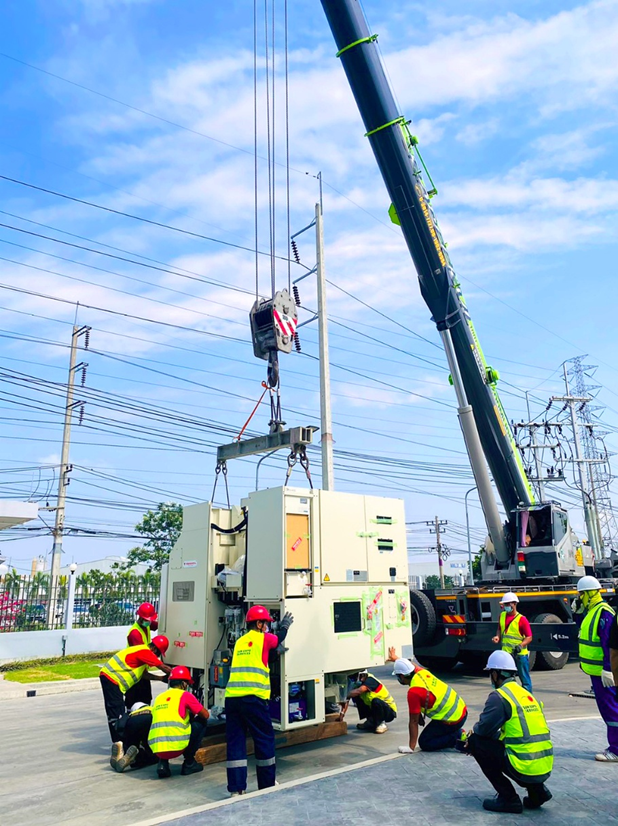
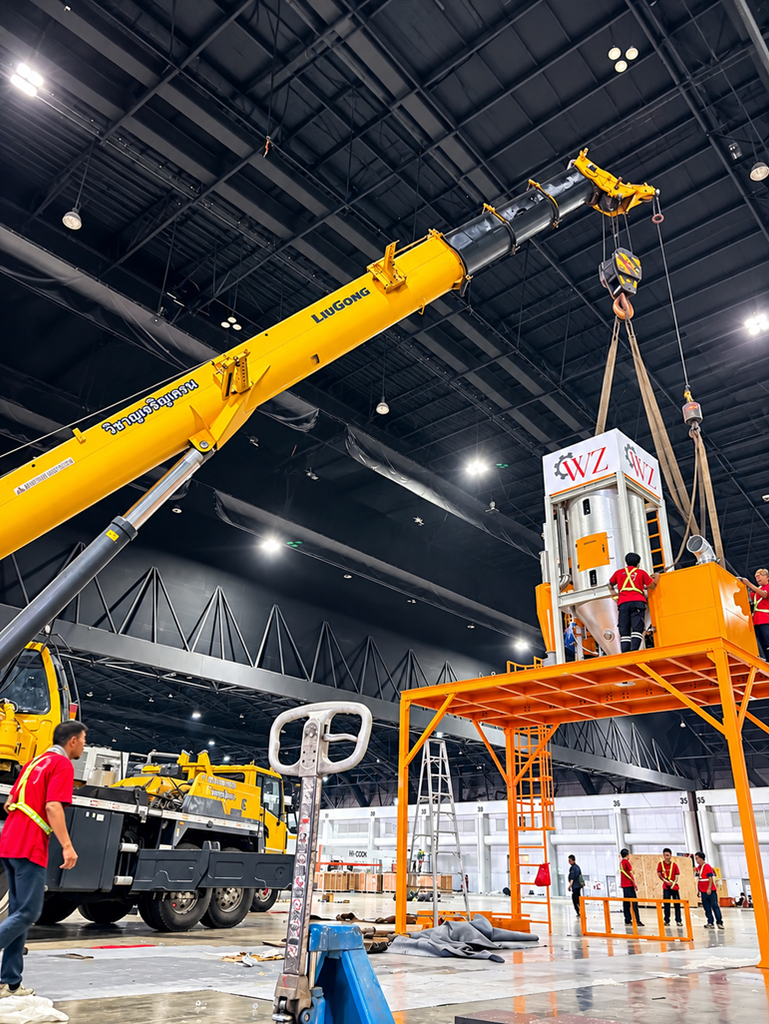
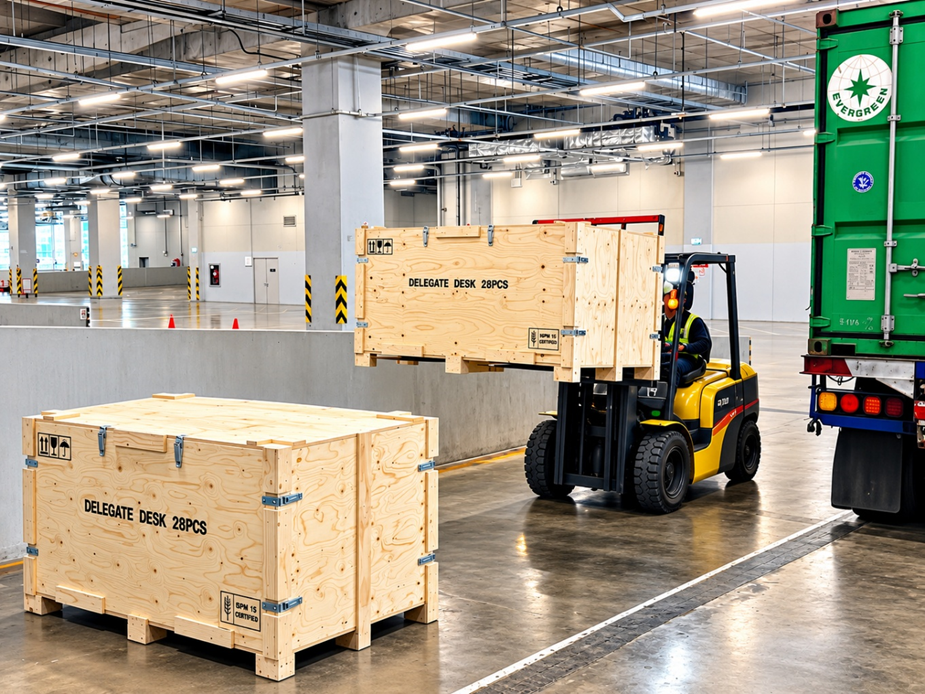
When it comes to handling, the priority is to minimize risks at every stage, from bringing goods into the country to unloading and positioning them on the exhibition floor. Sun Expo emphasizes selecting equipment appropriate to the weight and characteristics of each shipment, whether cranes, forklifts, or other specialized handling equipment, and assigning teams experienced in handling different types of products.
Items ranging from televisions, display screens, and models to heavy industrial machinery all require different handling methods. Appropriate protective materials and packaging are also essential, along with secure positioning and fastening to keep goods stable throughout transportation.
Another frequently overlooked consideration is insurance coverage. Standard cargo insurance may cover goods only while they are in transit by vehicle. For exhibitions, however, the risks do not end when a truck reaches its destination. Goods may still need to be stored in a warehouse, transported into the venue, and moved onto the exhibition floor.
For this reason, Sun Expo uses insurance arrangements designed to cover the broader Exhibition Logistics process, including the period when goods are stored in a warehouse and the subsequent handling and delivery into the exhibition venue.
The Warehouse Must Be Ready Before the Exhibition Begins
Another critical component of Exhibition Logistics, though one that exhibitors may not see onsite, is Warehouse Management. Goods may arrive in Thailand several weeks or even months before the scheduled move-in period, making secure storage essential before they can be delivered to the exhibition floor.
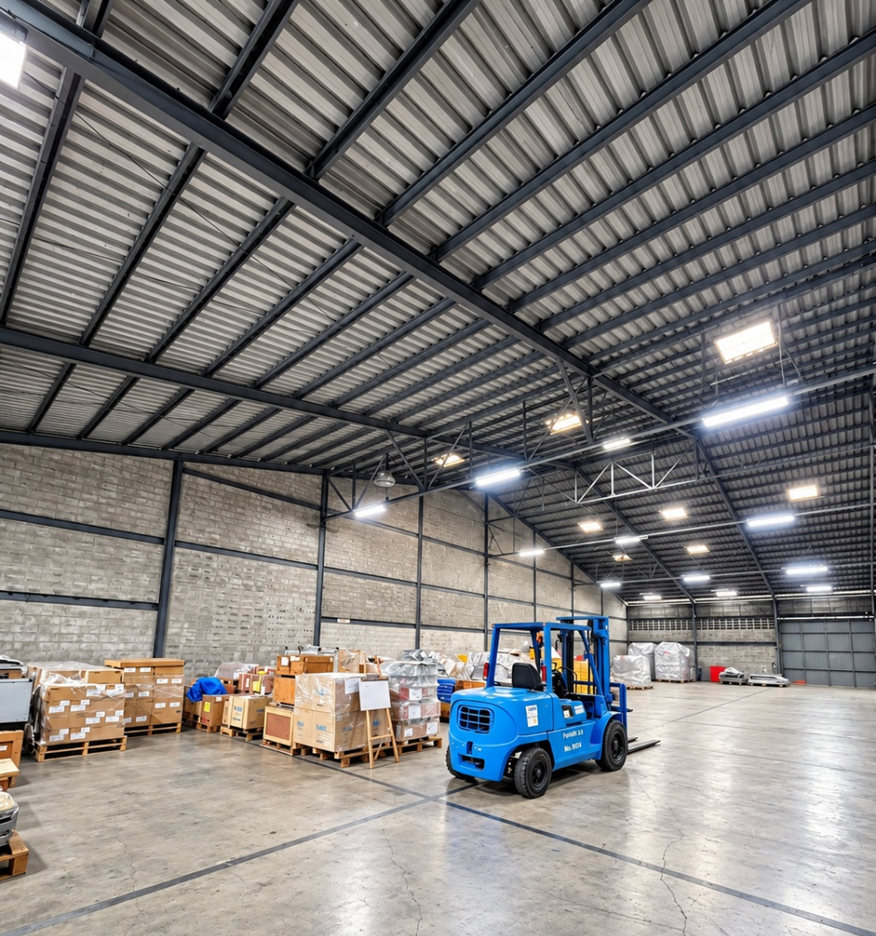
For exhibitions, warehouse capacity must therefore be planned in advance and managed according to the volume of incoming shipments. This is particularly important for large-scale events involving numerous exhibitors. Warehouse operations must be coordinated with transportation schedules to determine when shipments will arrive and ensure that sufficient space is available to accommodate them.
Delivering to the Exhibition Floor Requires Both Space and Access
At Architect Expo, the Official Freight Forwarder must work closely with multiple parties, including exhibitors, booth contractors, structural teams, electrical teams, mark-floor teams, and other service providers involved in installation.
Delivering goods to an exhibition is therefore about much more than bringing a truck to the venue. It also requires confirming that the designated area is ready, the booth is prepared, and the access route to the intended display position is clear and suitable for the shipment.
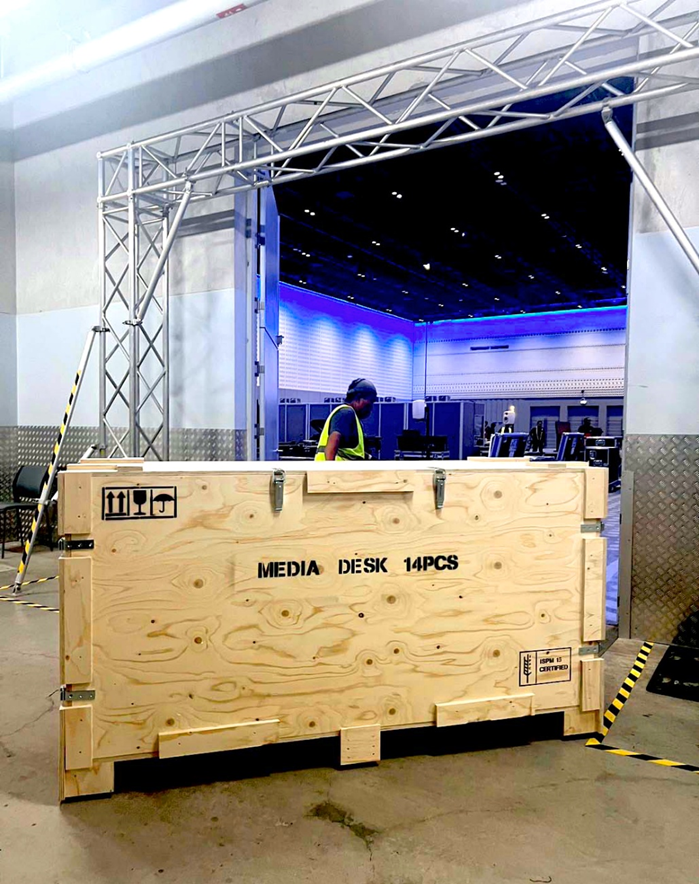
If a booth has already been completed but oversized products have not yet been moved inside, or if access to the booth is restricted, those products may not be deliverable as planned—even if they have already arrived at the exhibition venue.
The Real Challenge Is Preparation
Based on Sun Expo’s experience, the main challenges in Exhibition Freight & Logistics can be divided into two areas: preparation and last-minute situations arising when preparations are not completed in time.
In practice, many clients are unable to decide early whether they will participate in an exhibition, how their booths will be designed, or which products they will display. As time passes, the available options for transportation and logistics management become increasingly limited.
For exhibitors, making early decisions about booth design and product selection has a direct impact on logistics. The booth design determines which products need to be brought in, whether those products can be imported under the applicable requirements, and which transportation methods will be most appropriate.
For this reason, booth designs and product lists should ideally be finalized approximately three months in advance. This allows sufficient time to verify product requirements, plan import procedures, and select suitable transportation methods.
Even with careful planning, unexpected issues can still arise, particularly during the onsite phase, when multiple parties must work simultaneously. To address these situations, Sun Expo maintains a backup team and a network of suppliers to respond to urgent requirements, such as the sudden need for cranes or additional lifting equipment. Having multiple suppliers available in the area provides more options for resolving problems and reduces the likelihood of disruptions affecting exhibitors’ displays.
Early Planning Is Not Just About Being on Time—It Is About Getting Better Value
Ultimately, Sun Expo’s message to exhibitors preparing for an exhibition is simple: do not wait until everything is finalized before contacting your freight forwarder.
Logistics planning should begin alongside booth planning and product selection, as each stage is interconnected—from choosing products and checking import requirements to selecting transportation methods and arranging final delivery to the exhibition floor.
The earlier the process begins, the more options exhibitors have in terms of transportation routes, lead times, and cost management. This is particularly relevant to sea freight, which is generally more cost-effective but requires more time for preparation and transportation.
From a service provider’s perspective, successful Exhibition Logistics depends on much more than having trucks or warehouse space. It requires experience, a reliable network, and the ability to anticipate potential problems before they occur.
For exhibitions, effective logistics is not simply about moving goods from one country to another. It is about ensuring that every item passes through each stage of the process correctly, safely, and on schedule, arriving at its designated display area ready for the opening day.
This is the work of the logistics teams who may not be visible on the exhibition floor, but whose role is fundamental to ensuring that every booth is ready when the event opens its doors to visitors.