As the world changes, the challenges facing architecture are evolving. From environmental concerns and the rise of digital technologies and artificial intelligence (AI) to increasingly global competition, the key question is no longer simply what architects can design, but how the profession can adapt and move forward in a constantly changing world.
As the architectural profession confronts new challenges, Architect Expo must serve a purpose beyond showcasing building products, technologies, and innovations. It can also provide a platform for new perspectives, highlight emerging industry trends, and create opportunities for professionals to prepare for the future.
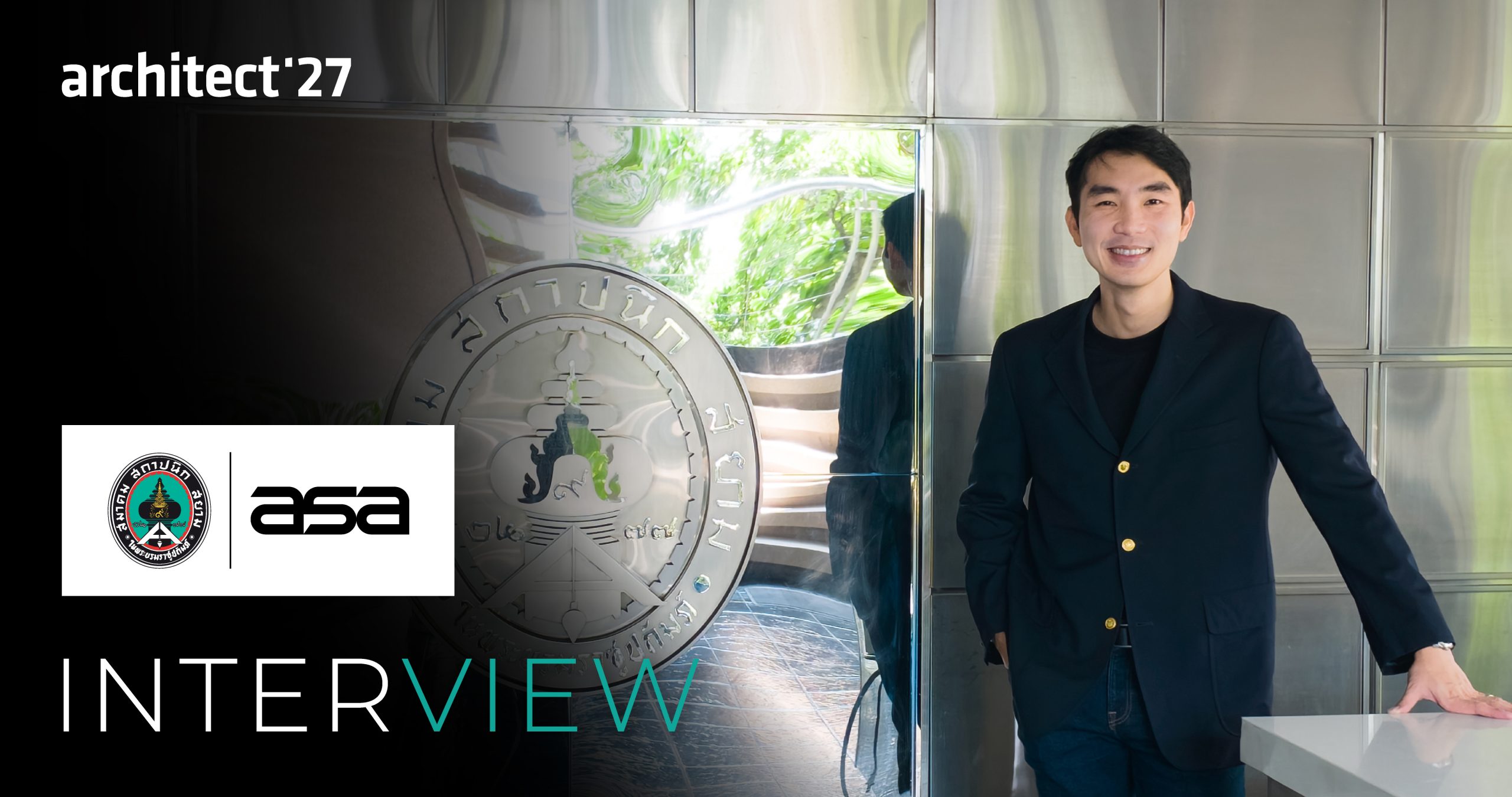
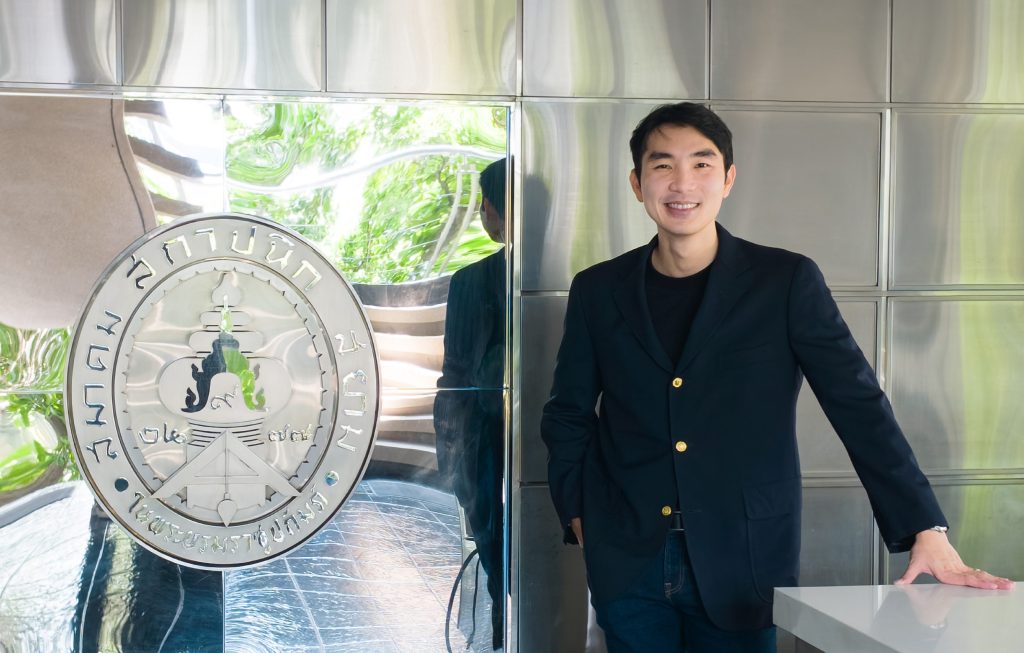
One of the people helping shape this direction is Dr. Prompt Udomdech, Chairman of Architect’27 and Director of the International Interdisciplinary Architecture Program Administration Office. With experience spanning academia and industry, he recognizes the importance of developing a profession that can keep pace with change and creating a platform that encourages the industry to look further ahead.
The concept he seeks to convey through Architect’27 is “Unheard Heights,” inviting Thailand’s architectural community to explore possibilities that have yet to be realized. It also challenges the profession to consider how it can move beyond existing limitations, elevate its capabilities, and prepare for the challenges ahead.
From a Meeting Point to a Platform That Shapes the Industry’s Direction
Over the years, Architect Expo has provided a meeting point for professionals to exchange knowledge, explore exhibitions and projects, and connect with businesses across the architecture and construction sectors. These functions remain essential to professional development and the continued growth of the industry.
However, Dr. Prompt believes that Architect Expo should evolve beyond being a gathering place for industry professionals. It should also help the profession anticipate change and understand what lies ahead.
“We can help identify trends and highlight challenges across the construction and architectural design industries, both in Thailand and internationally.”
This vision connects directly with the theme “Unheard Heights,” which invites the industry to reconsider what its next level might look like when conventional approaches may no longer be sufficient for the future.
The word Unheard suggests something that has never been heard or experienced before, while Heights represents elevation. Together, in this context, they symbolize new levels of professional practice and greater potential amid an increasingly uncertain world shaped by political tensions, wars, and global warming.
Reaching new heights, therefore, is not simply about going further than before. It is about preparing for increasingly complex challenges and embracing possibilities that the industry has yet to explore.
Three Key Challenges Shaping the Next Level of the Profession
Sustainability and Well-being
Sustainability is no longer merely a concept incorporated into design. It has a direct impact on professional practice, from material selection and design processes to building regulations and related legislation. Architects must understand environmental impacts while considering the well-being of building occupants, ensuring that their work meets present needs while remaining relevant and responsible in the long term.
Human-Digital and AI
Digital tools and AI are creating new possibilities for the design process, enabling architects to explore information about buildings, materials, and surrounding environments in greater depth. However, this transformation is not simply about relying on technology. It is about learning how to integrate these tools appropriately with human understanding, expertise, and decision-making.
Regional Wisdom and International Practice
Working in an increasingly interconnected world requires both a strong understanding of local contexts and the ability to operate internationally. Thai architects should recognize the value of local wisdom, materials, architecture, and community knowledge, while building on these foundations through approaches and professional standards that encourage international collaboration.
These three areas are interconnected rather than separate. Together, they lead to one central question: How can architects create meaningful, high-quality work in a world where the conditions and demands of design are constantly evolving?
Bridging Generational Gaps and Opening New Opportunities
Beyond developing professional skills, Dr. Prompt places particular importance on knowledge exchange between established and emerging generations of architects. Each generation has valuable knowledge and experience that the other can learn from and build upon.
Younger architects may have rapid access to information and digital tools, but practical experience takes time to develop. Meanwhile, established professionals bring years of accumulated experience and can also benefit from new ideas and technologies introduced by younger generations.
“Learning from one another is probably the best first step, followed by being open to new knowledge and actively seeking opportunities to collaborate with different organizations.”
Learning should go beyond knowledge transfer and lead to collaboration and broader professional opportunities. As working practices evolve, architects may need to explore opportunities in other industries and expand their capabilities beyond conventional design commissions.
One initiative being considered for Architect Expo is a platform connecting people seeking architects or designers with the membership database of the Association of Siamese Architects under Royal Patronage (ASA). One possible approach would be to establish a dedicated area at the exhibition where prospective clients could register project requirements, including project size and scope. The information could then be compiled on a physical board or in a database that architects could access to identify suitable opportunities.
This approach would give clients another channel for finding qualified professionals while helping architects connect with projects that match their expertise and capabilities.
Bringing Diverse Knowledge Together in One Place
Another direction for Architect’27 is to bring together exhibitions organized by ASA and related organizations, which have traditionally been presented separately, into a more integrated space. By arranging the content in a coherent sequence, the exhibition aims to help visitors explore knowledge and perspectives from different sectors in a more comprehensive way.
There are also plans to invite leading architecture schools from overseas, with an ambition to engage institutions ranked among the world’s top 20, such as Harvard, MIT, and UCL, to present their work. The aim is to give students and faculty in Thailand opportunities to discover diverse approaches to architectural education and practice.
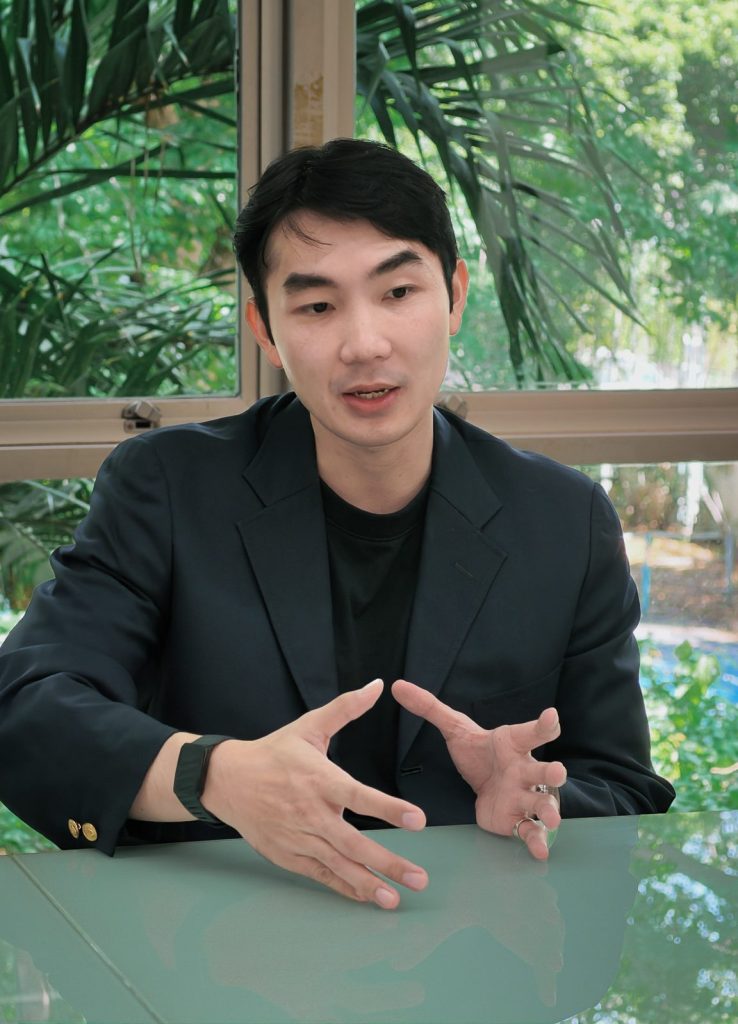
“We would like to invite leading universities from around the world to Architect Expo and showcase their compelling work alongside ours. This would allow students and faculty in Thailand to see what is happening internationally, while recognizing that we, too, may be ahead of the curve in certain areas.”
In addition, ASA is exploring ways to develop its application into a more comprehensive tool for supporting its members by bringing services and information together in one place. Potential functions include event registration, connecting prospective clients with members, searching for exhibitors and building materials, and accessing professional knowledge and resources. The aim is to make essential information more accessible and convenient for members in their daily work.
Advancing Sustainability by Measuring Our Own Impact
Sustainability is another priority that Architect Expo aims to advance through practical action. The process began last year with the collection of data to better understand the event’s environmental impact, including visitor numbers and carbon emissions associated with exhibitions.
This year, the goal is to expand data collection to cover all aspects of the event, including attendees and every exhibitor booth. The resulting information can then be analyzed and used as a foundation for developing more sustainable practices in future editions.
Looking further ahead, Dr. Prompt aspires to make Architect Expo the world’s most sustainable architecture exhibition. He hopes that, by the time ASA celebrates its 100th anniversary, Architect Expo may progress toward becoming a Zero Carbon or Carbon Negative event.
Although this remains a long-term ambition that will require time and sustained effort, beginning with comprehensive data collection and a clearer understanding of the event’s environmental impact will help establish a more informed direction for reducing emissions and improving sustainability in the years to come.
One Platform, Multiple Perspectives, New Heights
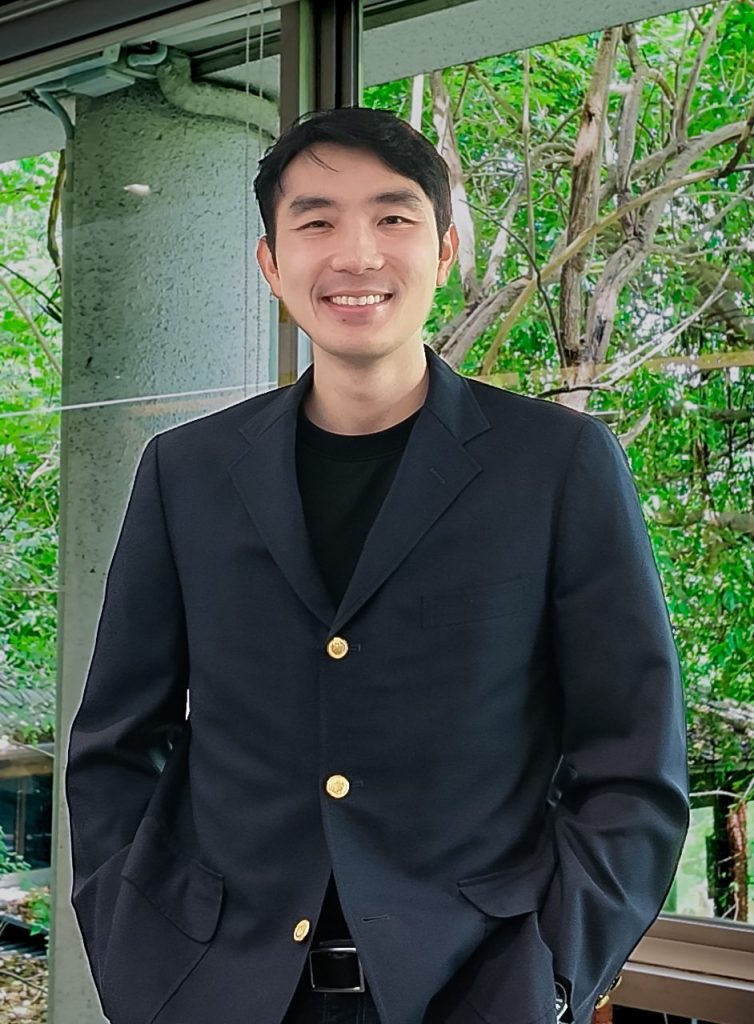
For Dr. Prompt, Architect Expo should be a place where every visitor can discover something meaningful, whether they are members of the general public, architects and designers, or young people exploring their future career paths. Each group should be able to leave with new knowledge, inspiration, and perspectives gained from the same event.
For the general public, the exhibition offers an opportunity to see how far Thai architecture has progressed and how much potential the industry holds to create increasingly ambitious work. Architects and designers, meanwhile, can use the platform to present their projects, expand their knowledge, exchange experiences, build professional networks, and discover new opportunities.
For architecture and design students, Dr. Prompt hopes the experience will extend beyond walking through exhibitions. They should also have opportunities to learn from the work of experienced architects and participate in seminars and discussions alongside leading professionals from Thailand and around the world. These experiences can expose them to knowledge and perspectives that may be difficult to gain from the classroom alone.
Secondary school students are another group he considers particularly important. According to educational data he has been following, the number of applicants to architecture programs has been declining by nearly 10% annually. He hopes Architect Expo can help younger generations recognize that architecture remains an exciting field with considerable potential for growth and development.
If this trend continues over the long term, it could affect the number of professionals entering the field and, consequently, the future workforce that will drive Thailand’s architectural industry forward.
Ultimately, “Unheard Heights” represents more than the ambition to push beyond the profession’s existing limitations. It is also about creating opportunities for industry professionals and younger generations to discover a wider range of possibilities. Architect’27 will serve as a platform for learning, exchanging ideas, and exploring new perspectives that may inspire change at both the individual and professional levels.
Because reaching new heights may begin with being open to different ideas, recognizing untapped potential, and turning those discoveries into new opportunities for ourselves and the future of Thai architecture.