Have you ever wondered what it would feel like if one day we had to live inside materials?
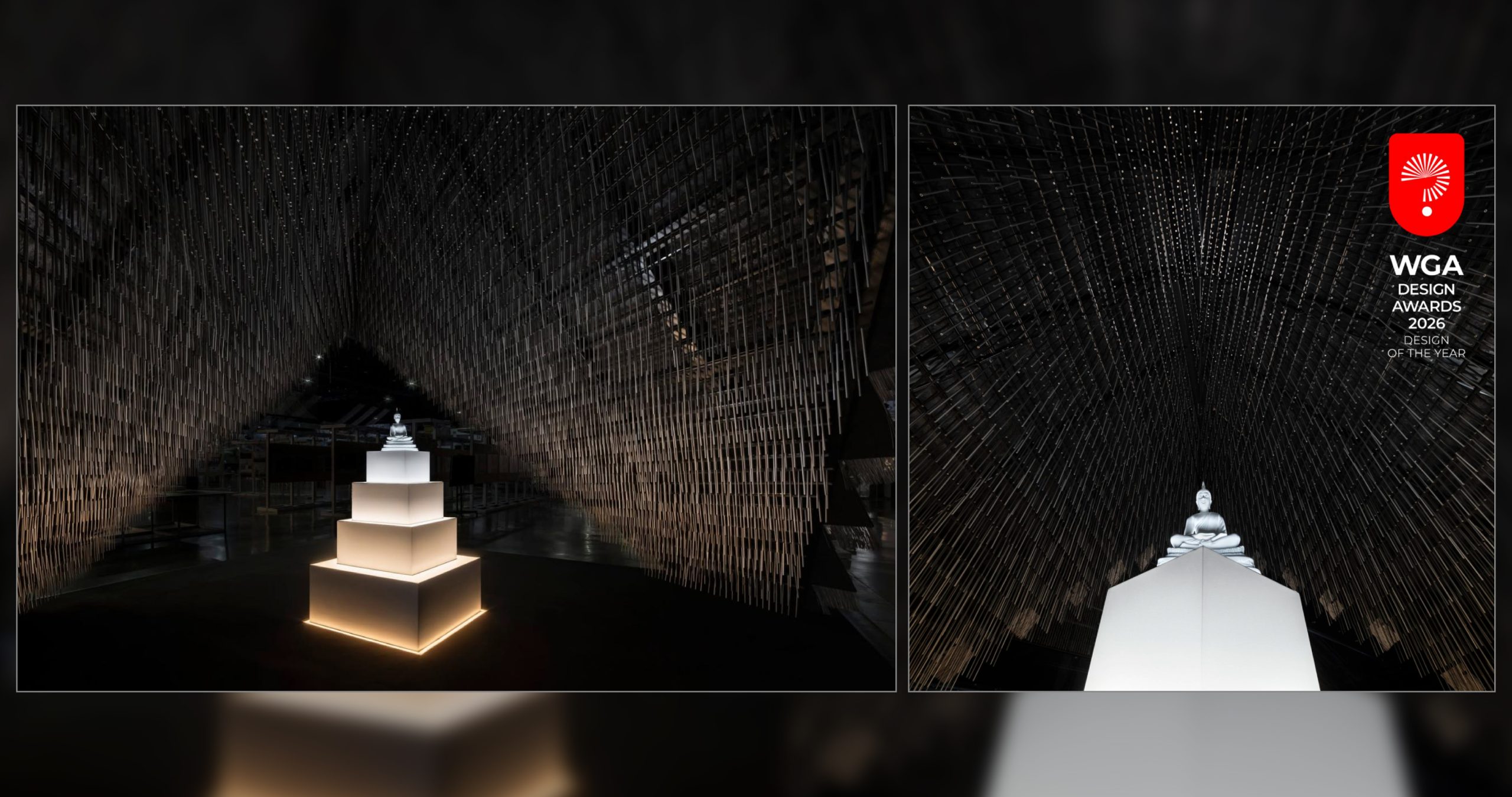
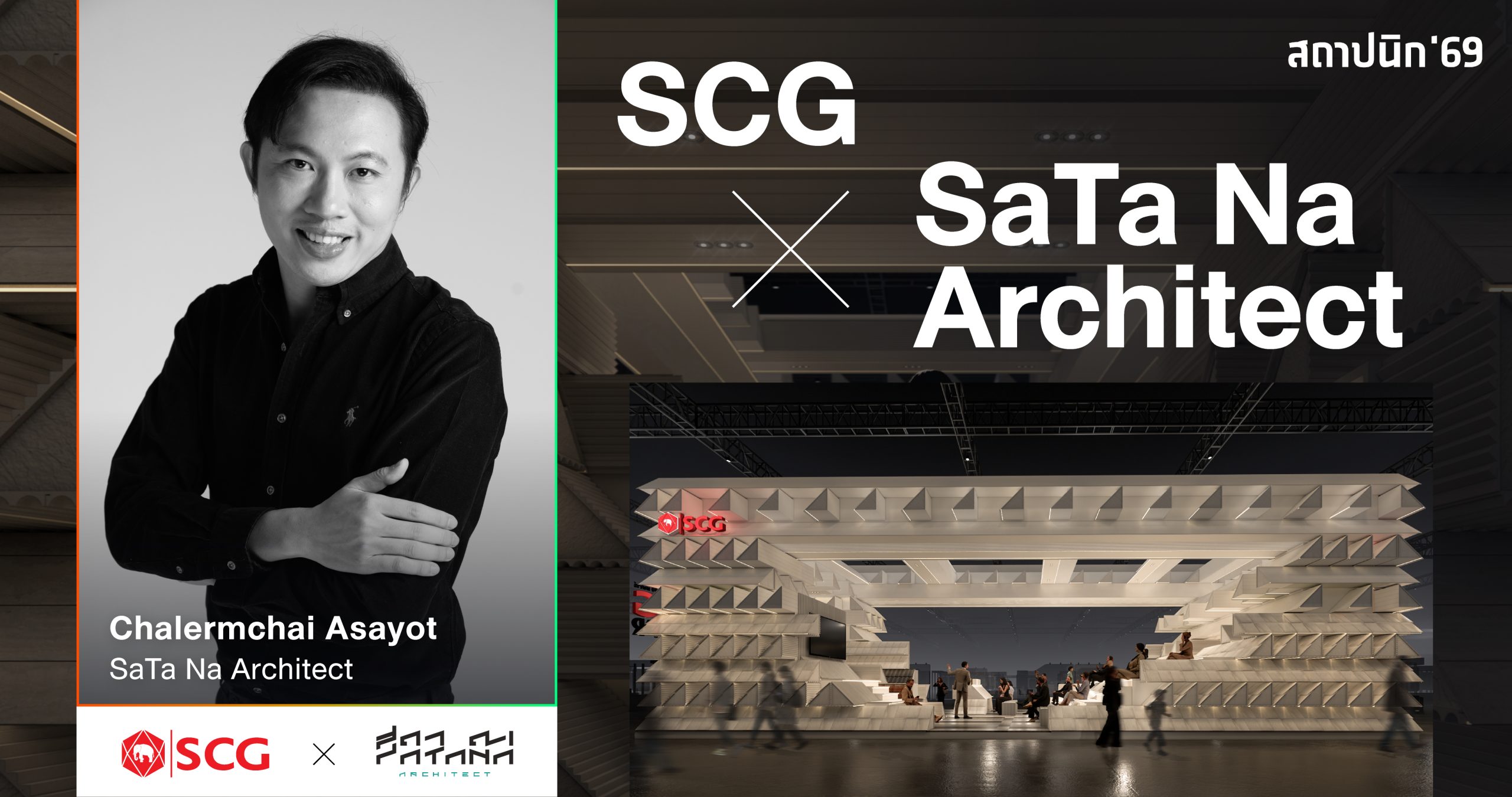
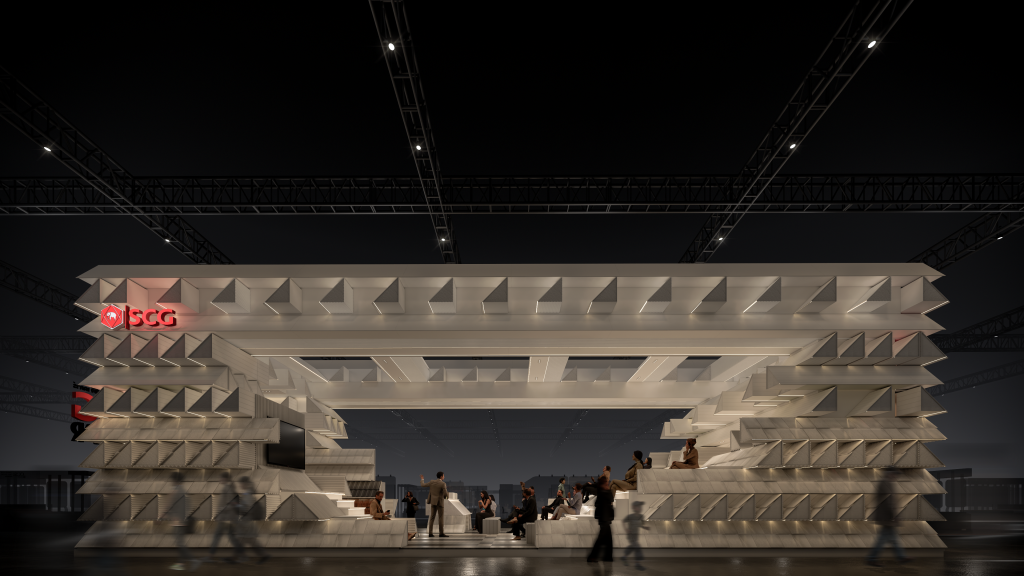
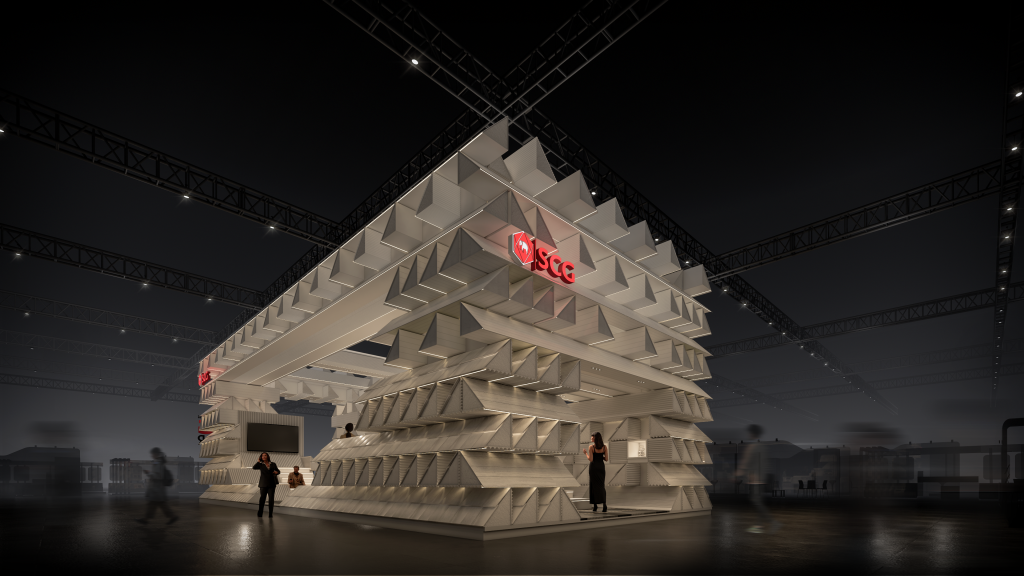
The Delta Stack Pavilion is a thematic pavilion born from the collaboration between SaTa Na Architect and SCG. It challenges the boundaries of how materials are perceived and used, transforming imagination into a tangible experience through an unusual cave-like architectural space constructed from thousands of stacked modular elements.
Behind the design inspiration of The Delta Stack Pavilion lies a question of how and why triangular forms were chosen. Today, we invite you into a conversation with Hack – Chaloemchai Asayots, founder of SaTa Na Architect, at his studio.
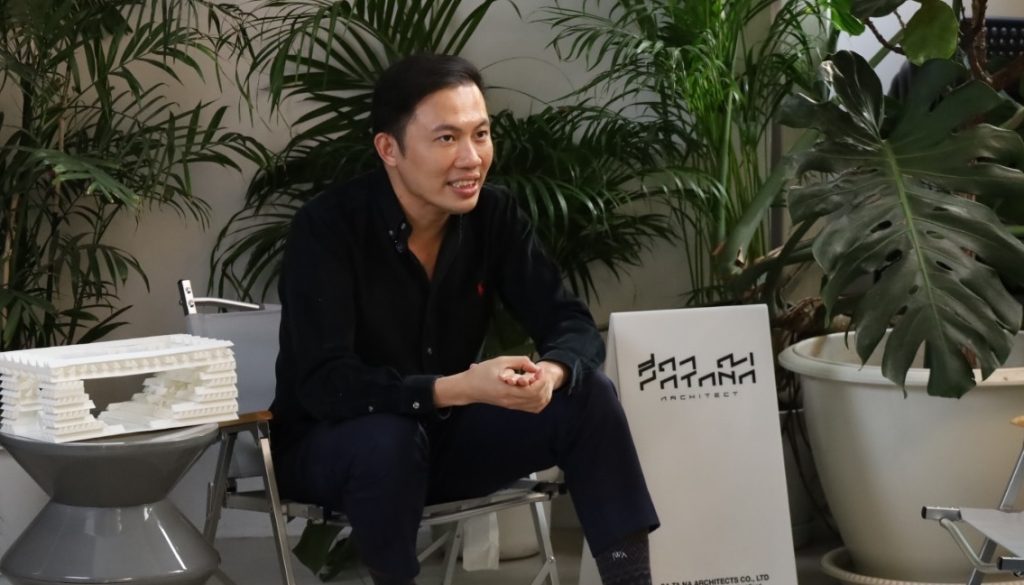
“I feel that everything in the world has its own heart and story — its own temperature and sound. This pavilion allows us to reconnect with materials, like when we were children playing with soil, sand, or lying on wooden floors.”
CONCEPT
Beyond Material into Life
“Beyond Material into Life” is SCG’s 2026 conceptual direction, aiming to transcend the limits of materials by deepening their meaning and bringing them closer to everyday life.
Hack explained that upon receiving this brief, he began by selecting an architectural form that could best deliver experiential interaction, followed by studying SCG’s material groups. This process eventually led to the development of a stacked triangular system called Delta Stack.
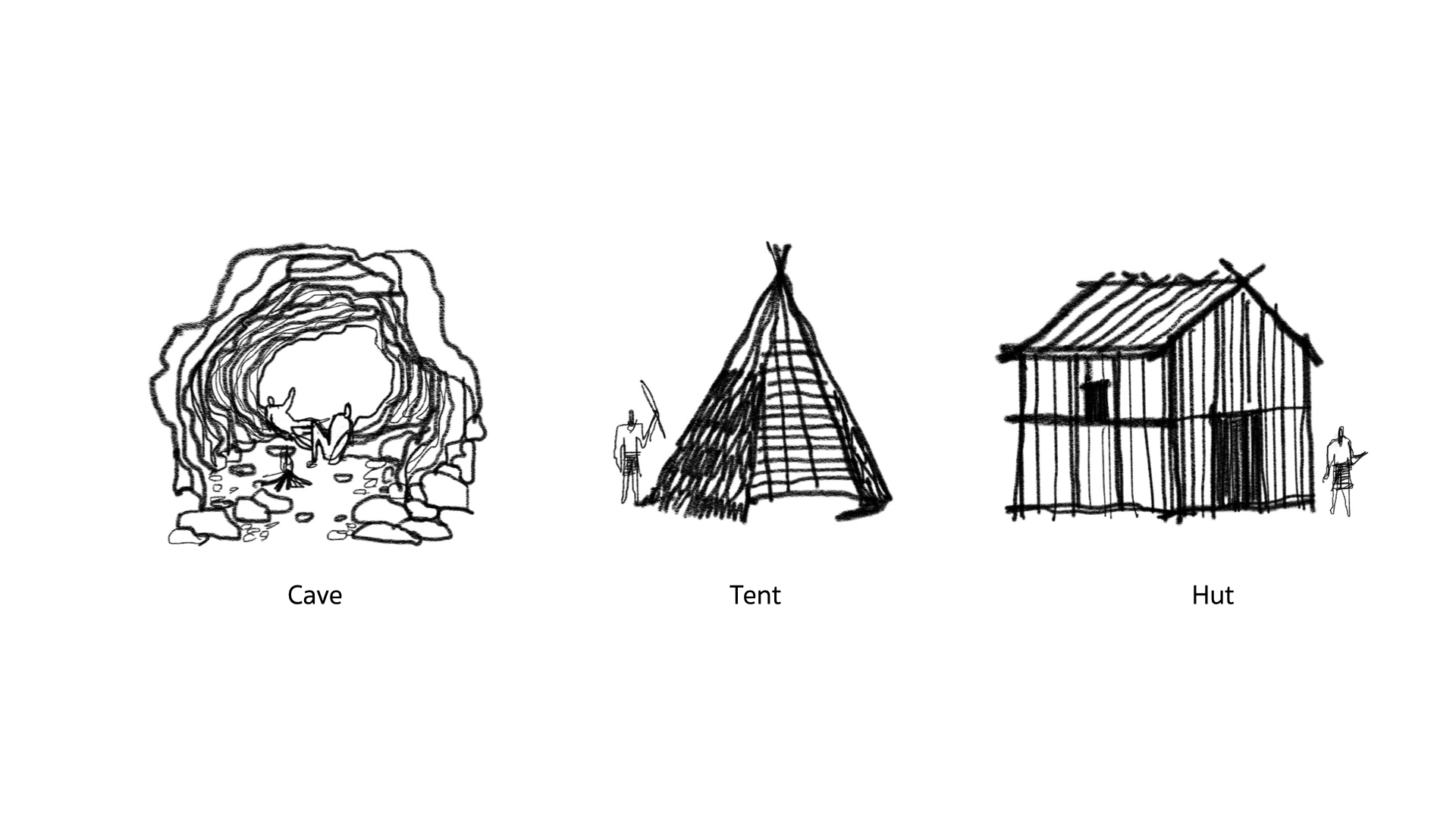
“We returned to the origins of architectural theory — the three primitive dwelling forms defined by Quatremère de Quincy (1823): Cave, Tent, and Hut. We chose the Cave as the main concept because it represents architecture where humans live inside materials — eating, sitting, sleeping, and experiencing life within them.”
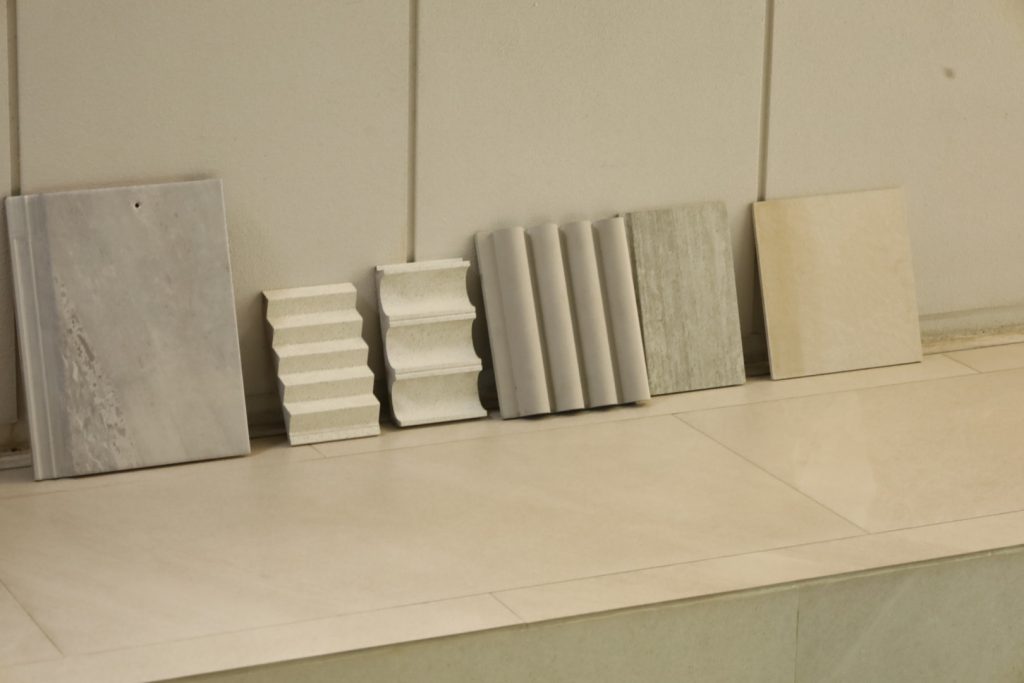
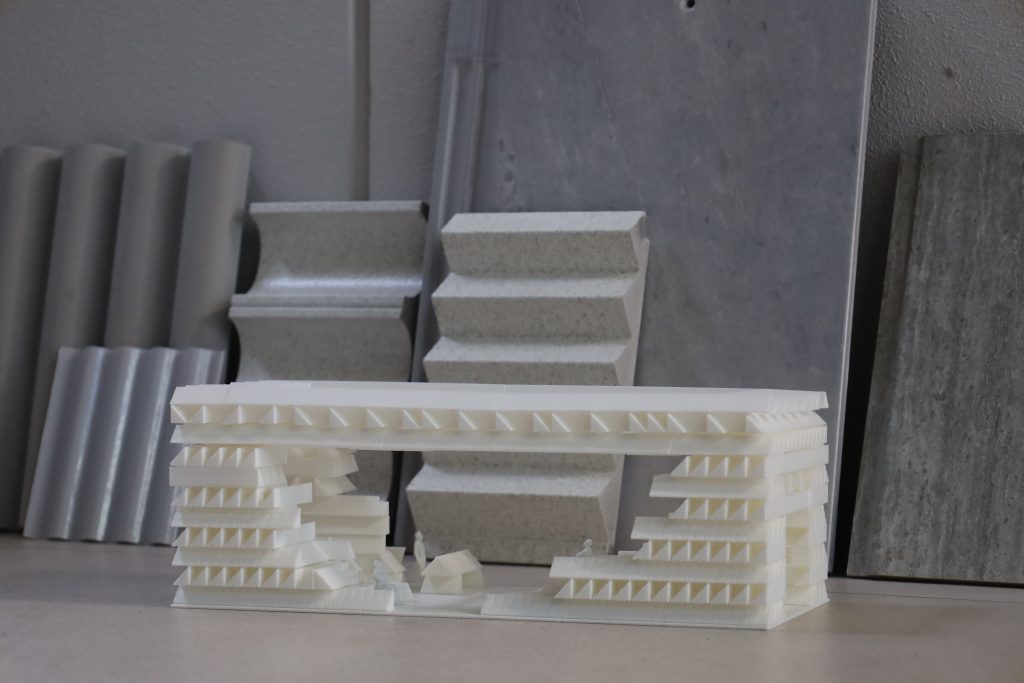
After studying SCG’s materials, they were categorized into two groups: roofing materials and surface materials such as wall and ceiling systems. The design logic came from real-world installation behavior — roofs are inclined, while wall and ceiling materials are vertical or horizontal. These principles were translated into a 45-degree modular system, forming the triangular stack structure known as Delta Stack.
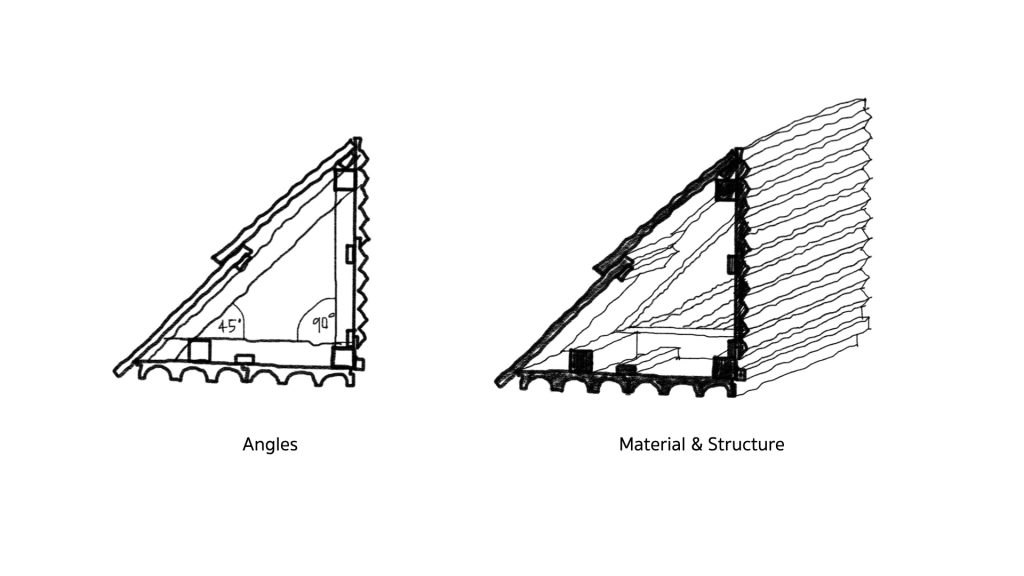
UNFOLDING THE LAYERS
DECODING THE DELTA STACK
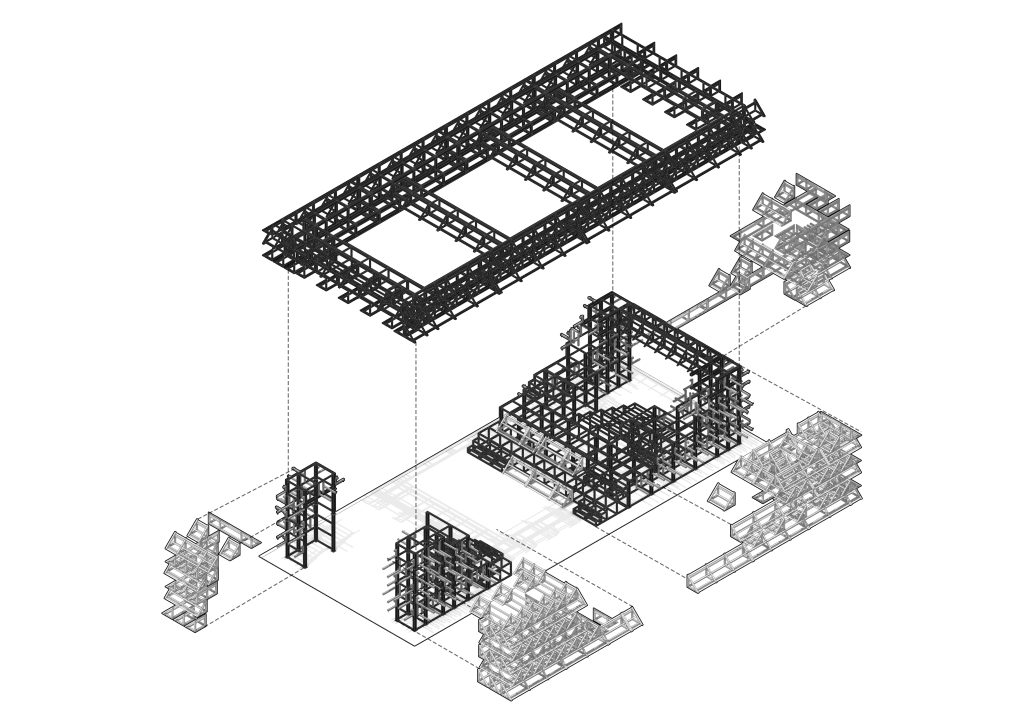
At first glance, the pavilion may resemble a Jenga-like stacking structure. However, in reality, it is a highly engineered system combining stability and complexity.
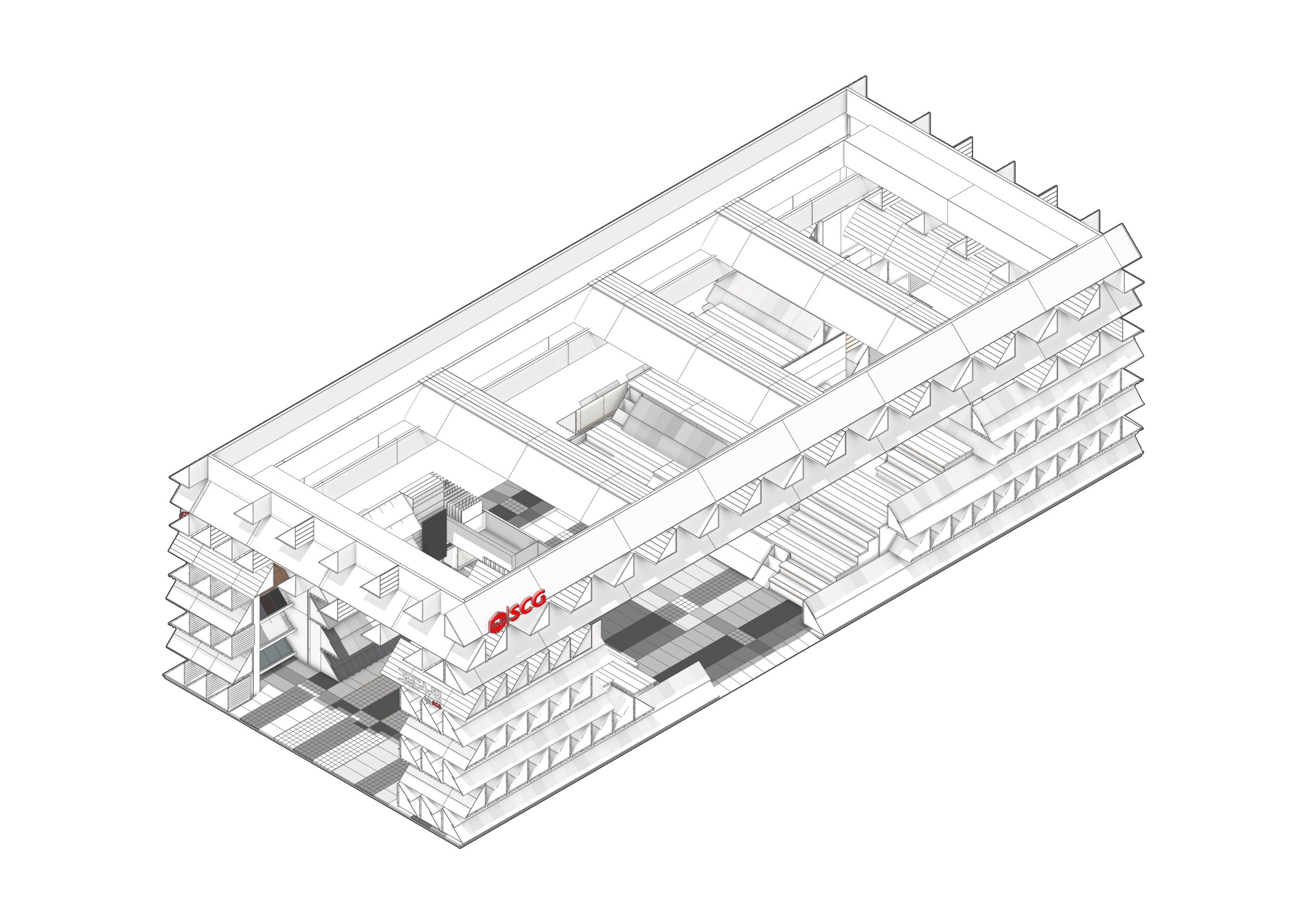
The pavilion consists of a primary structure — four main columns — combined with secondary triangular prism modules. Each layer is stacked vertically, locking into the main structure through an interlocking steel system, ensuring structural stability.
Material cladding is then applied to each prism, allowing each module to present up to three material samples simultaneously. This creates a multi-layered sensory experience — from frontal perception to hidden sectional details that reveal craftsmanship such as surface finishing.
The overall color palette is minimal, dominated by raw gray tones representing SCG’s material identity as a cement industry leader, highlighted with a bold red logo that enhances brand recognition from every viewpoint.
HAPPINESS AT PLACE, IN TIME, WITH LIFE
Every encounter, not a passing moment
“At SaTa Na, our core idea is ‘Happiness happens’ — creating happiness on site. We want every stage, from meetings to construction to visitors, to experience joy.”
The Delta Stack Pavilion is designed as a temporary structure, yet its impression is meant to last beyond the exhibition period through thoughtful design language that speaks to everyone.
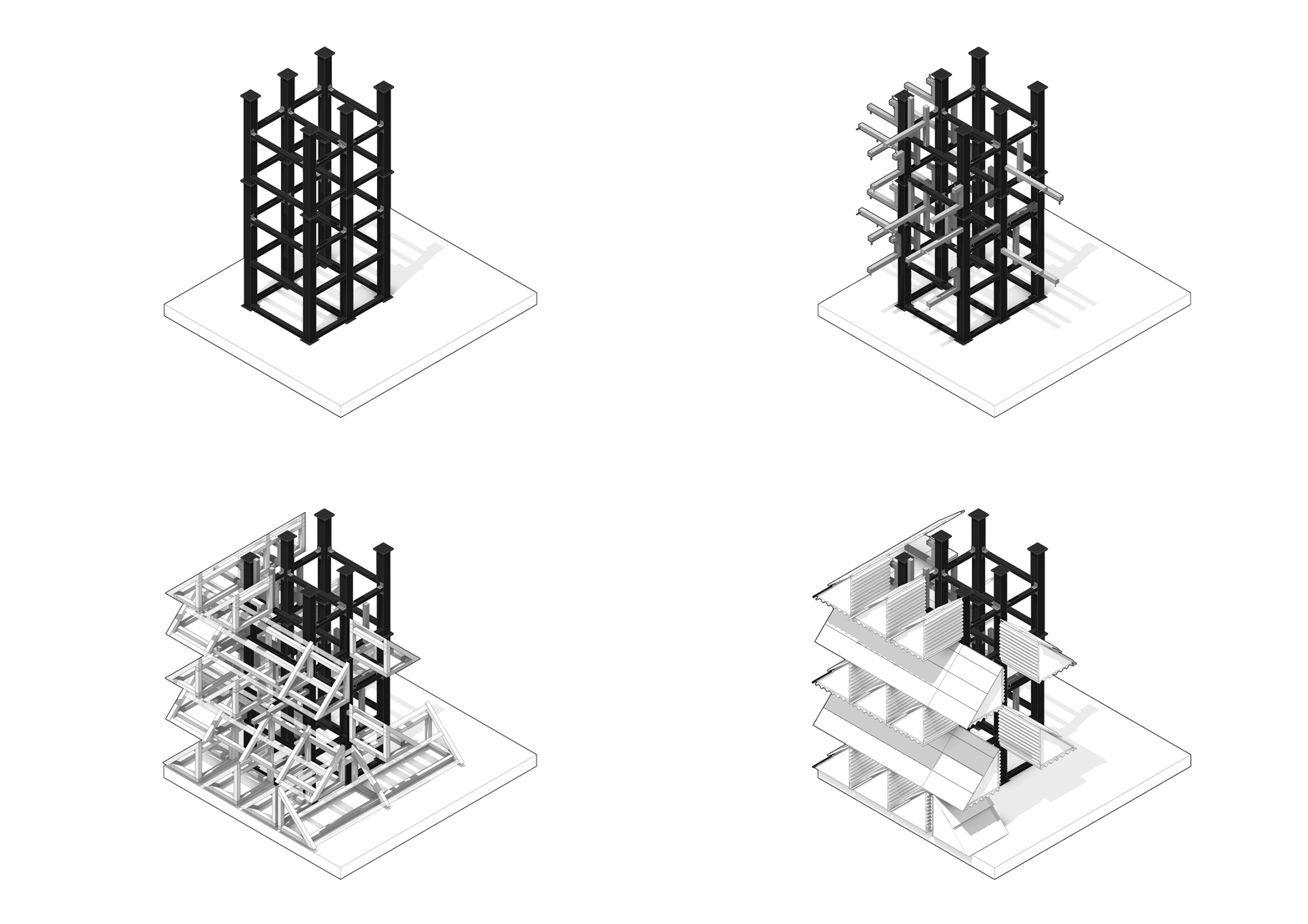
A signature element in design is happiness. The Delta Stack Pavilion is therefore conceived as a temporary space—though its exhibition cycle may be short, it leaves a lasting impression through its design language created for everything and everyone.
- Designed for ‘materials’
The triangular modular system is designed based on the actual dimensions of materials, minimizing waste to ensure almost no leftover scraps and allowing components to be disassembled and reused. In addition, LED lighting is integrated along the underside of the structure. Every material at every layer is illuminated equally, allowing each to become a central element of the work.
- Designed to deliver inspiration
The interior space is divided into two main zones:
The Thematic Pavilion zone, which invites visitors to experience materials in relation to different lifestyles and activities—ranging from seating and relaxation corners to photo spots, as well as exhibition areas showcasing the behind-the-scenes design process.
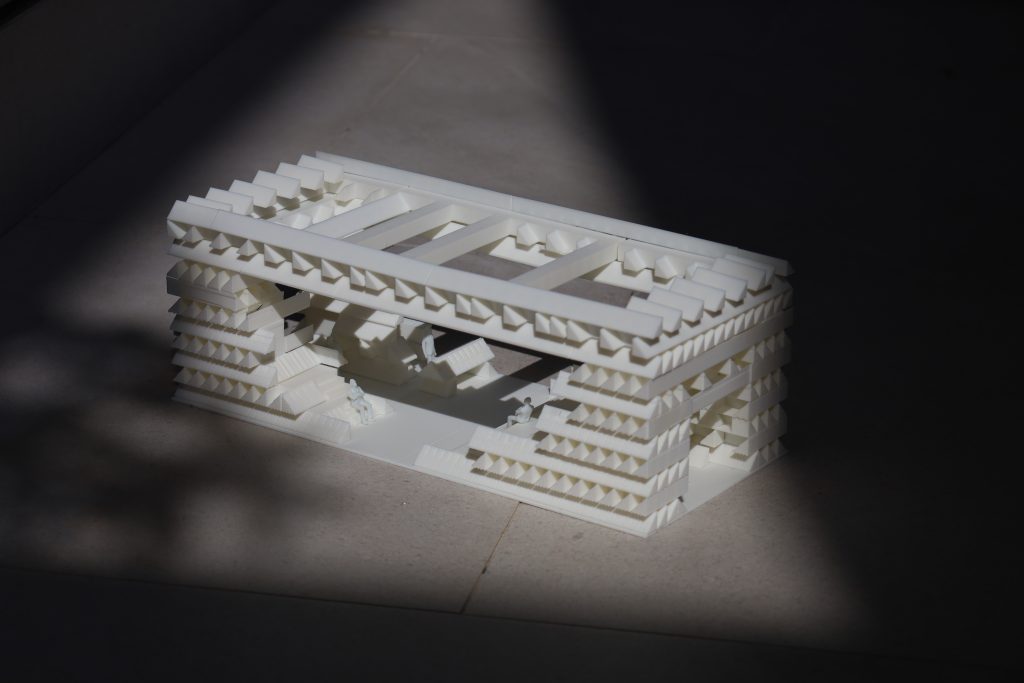
“The highlight of the project is that everyone can clearly see SCG materials presented within a single modular unit. It demonstrates how a wide variety of materials can be simplified or distilled into accessible ideas, and how a design approach that reuses a single material form repeatedly can generate interesting and compelling spatial forms.”
– Function Zone A space dedicated to showcasing products and providing detailed information about materials from the brand, while also supporting the development of ideas into real, implementable projects.
- Designed for sustainability
The structure is built on a modular system where every component can be fully disassembled without causing damage to either materials or structure, allowing all elements to be reused for future applications.
- Designed for seamless collaboration
The more complex the project, the simpler and more approachable the design language must be. SaTa Na’s design approach is therefore highly systematic—covering every detail from installation methods for contractors to comprehensive data sharing and project management, including material quantities and costs. Continuous coordination with SCG ensures alignment at every stage, resulting in a smooth and precise execution that meets the project’s objectives.
ARCHITECTS & AI
Of course, with this year’s theme being “Mindfulness, Wisdom, and Prompt(ing),” one key question we didn’t miss was to explore architects’ perspectives on the use of technology and AI.
“I feel that AI may not be able to replace architects, but it can certainly serve as a helpful tool. When we think or discuss work, we can use AI to filter information—for example, even for something like naming, we also use AI to help generate ideas. We use multiple models such as ChatGPT, Gemini, and Grok together to compare outputs and see different perspectives, because each model has its own area of strength. Then, as humans, we need to analyze and further interpret which response makes the most sense or is most appropriate for the context.”
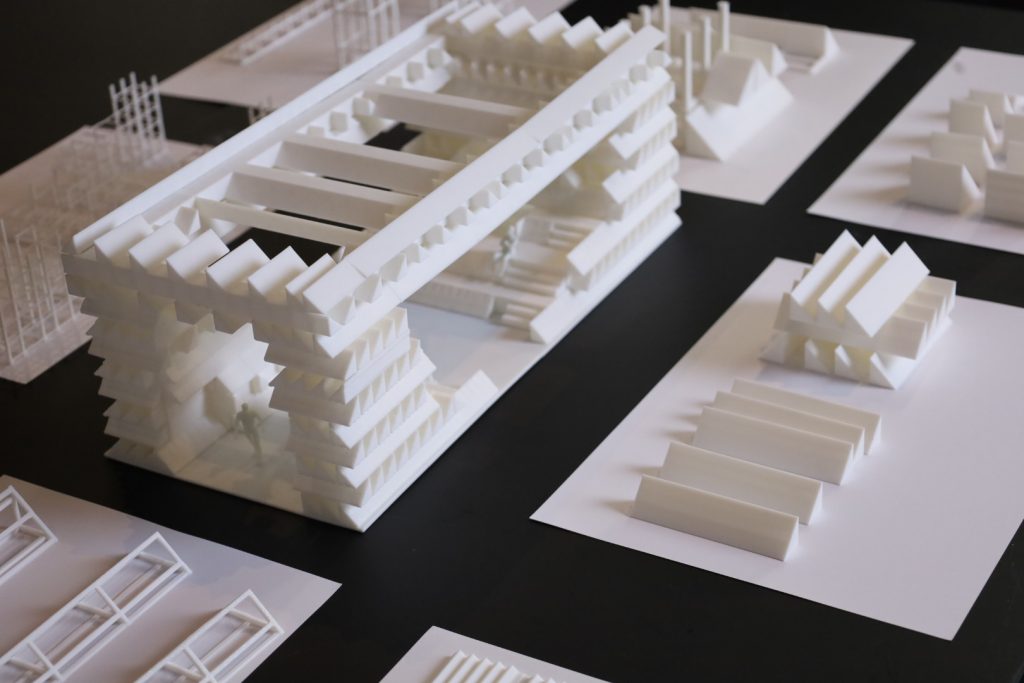
(The integration of 3D printing technology was used to develop the design process of The Delta Stack Pavilion, enabling a more precise, efficient, and experimental approach to form-making and fabrication.
)
An architect invites you to “be ready” together.
“This year features as many as 8 Thematic Pavilions—the highest number ever in Architect Expo history. If you missed it in previous years, this is one you truly shouldn’t miss. Especially with the theme incorporating the word ‘Prompt,’ alongside technology, it opens up another dimension to the exhibition experience. I think this will be a very fun and highly engaging year.
In my view, Architect Expo is the only space in Thailand that serves as a knowledge platform for everyone. Anyone who wants to learn about materials can meet representatives and suppliers gathered here to ask questions directly. It’s also an opportunity to meet architects in person for consultation. There is also a central area by the Association of Siamese Architects under Royal Patronage (ASA), designed to welcome the general public who are interested in architecture or want to better understand the profession.”
Don’t miss it! Experience a new dimension at The Delta Stack Pavilion by SaTa Na Architect X SCG at Architect’26, “SATI WISDOM PROMPT,” held from 28 April – 3 May 2026 at Challenger Hall, IMPACT Muang Thong Thani.