In the world of exhibitions, a booth is not simply about making a space look good. It must be designed to support everything that happens within it from client meetings and product presentations to demonstrations, multimedia experiences, and engaging visitors enough to stop, explore, and participate. Ultimately, exhibiting is an investment for a brand, and it should deliver results that go far beyond having a physical display space.
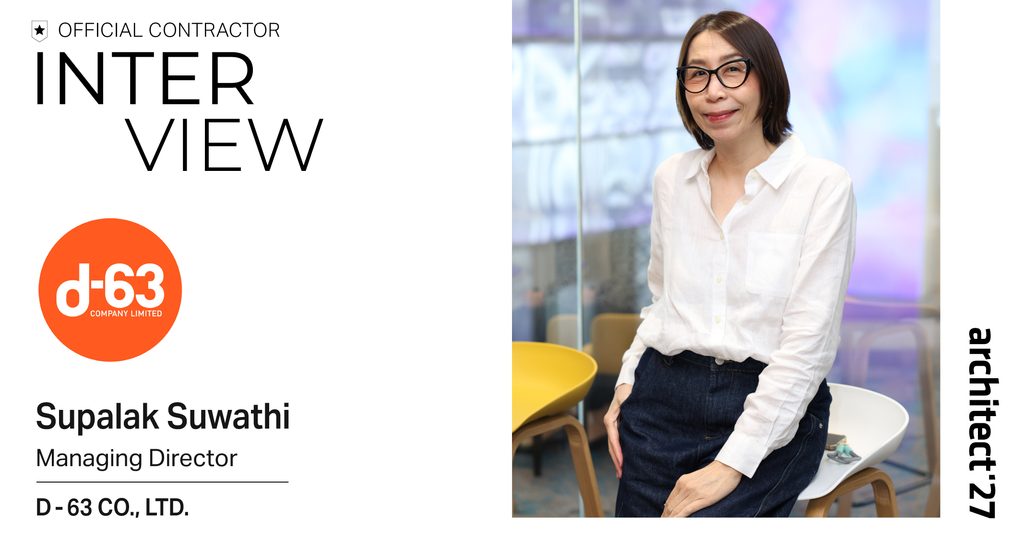
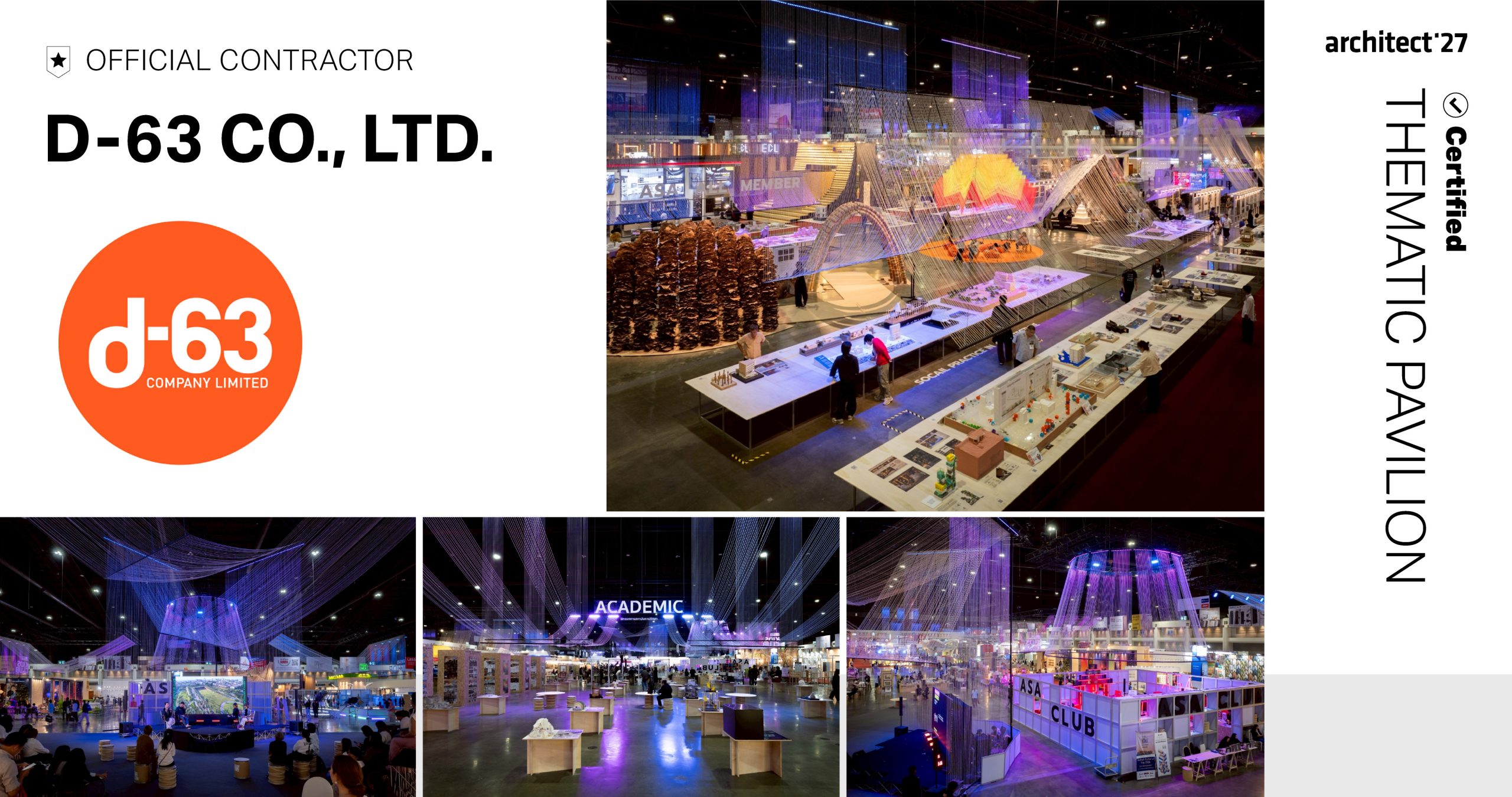
This perspective has been at the heart of D-63 Company Limited, a service provider in the Event and Exhibition industry with more than 30 years of experience. Dr. Supalak Suwathi, Managing Director of D-63 Company Limited, shares insights into the company’s approach, which goes beyond production and construction capabilities. D-63 also places strong emphasis on understanding the MICE industry, the activities taking place within an event, and the needs of buyers and sellers who come together in the same space.
What sets D-63 apart is therefore not simply the ability to complete a booth on schedule. It is the understanding of what each booth needs to accomplish and how to bring the client’s and designer’s vision to life within the real-world constraints of time, materials, budget, and sustainability.
Understanding Exhibitions Beyond Building Booths
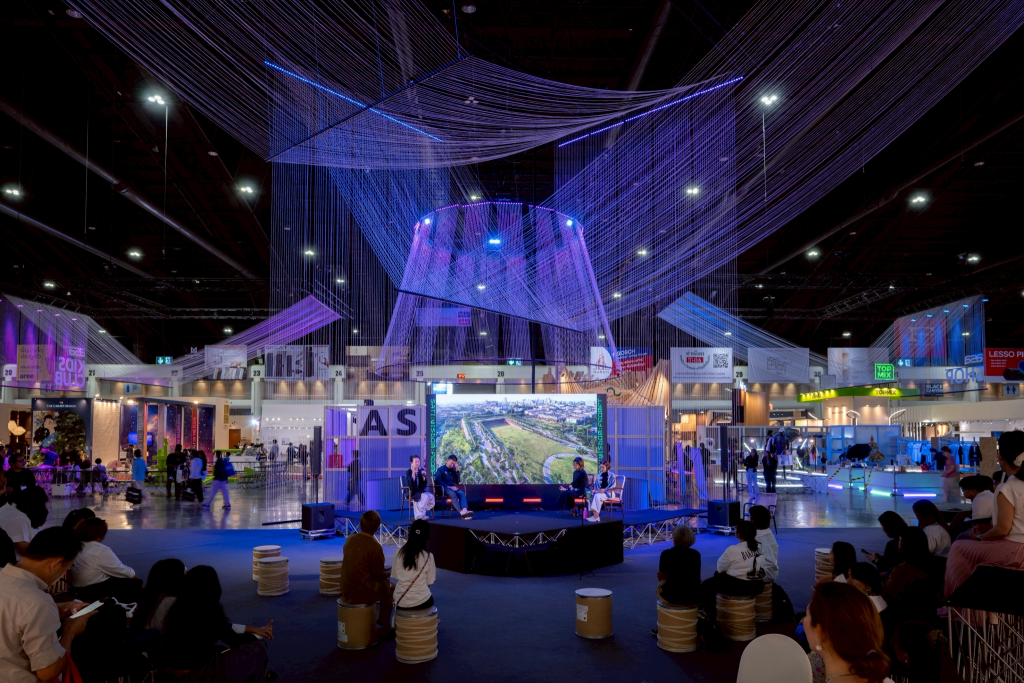
With decades of experience in the Event and Exhibition industry, D-63 does not look at a project simply by asking, “How do we build the booth?” The company also considers what happens after the booth is built and how the space will actually be used.
Some booths need to accommodate business meetings and client discussions. Others require product demonstrations or multimedia experiences designed to attract visitors. These requirements mean that construction must be connected to the activities taking place inside the booth from the very beginning rather than simply completing the physical space and figuring out its function afterward.
This is one of D-63’s key strengths: understanding not only construction, but also the broader context of exhibitions and the interactions between buyers and sellers that take place within them.
The company has also worked continuously with designers and is familiar with the entire design development process from renders, sketches, and concepts to finding practical ways to turn those ideas into reality.
Today, designers from increasingly diverse disciplines are working in exhibitions, including graphic design, immersive experiences, retail, and other creative fields. Each brings a different area of expertise and a different way of thinking.
When an idea exists on paper, the contractor’s role is to take the next step: determining how the concept can actually be constructed, which materials should be used, how much time it will require, and which details may need to be adjusted to work within a real exhibition environment.
For Dr. Supalak, a contractor should not simply enter the process once the design is finished. Instead, they should be involved from the beginning, helping to find the right balance between creativity, constructability, budget, schedule, and sustainability ultimately acting as a “strategic partner” to the designer.
Fast, Good, and Affordable May Not Always Come Together
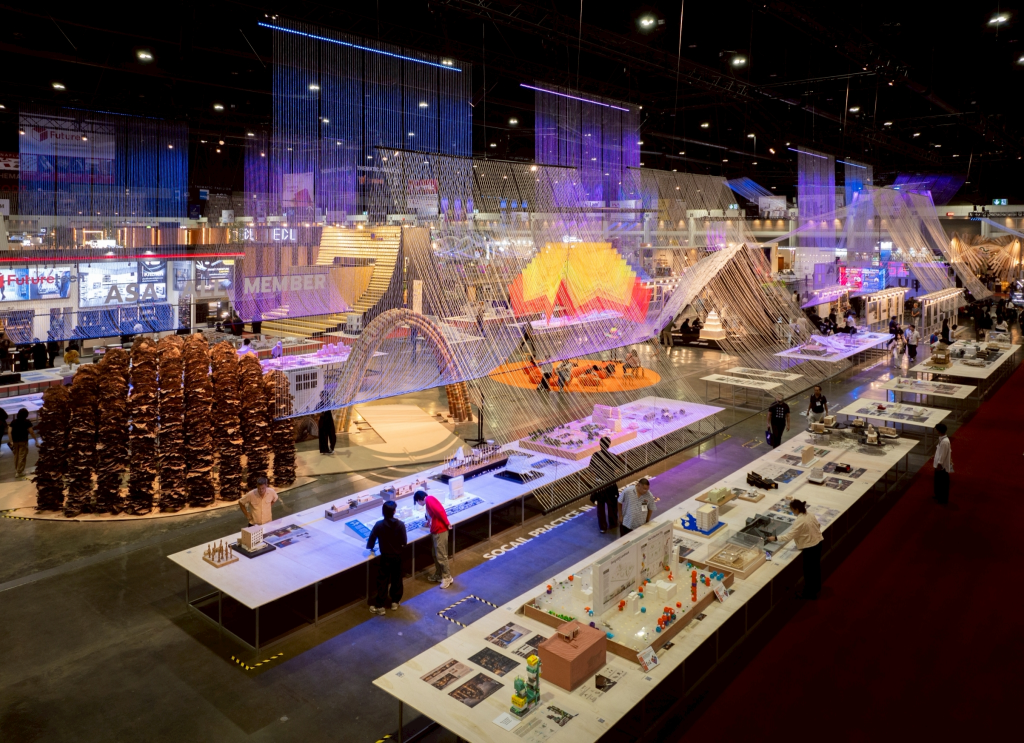
For D-63, one of the biggest challenges of working in Events and Exhibitions is managing multiple factors simultaneously including Cost, Safety, Quality, and Delivery because each one directly affects the others.
The company therefore has a structured working protocol involving Project Managers, Project Coordinators, and an in-house Architect team that helps clarify drawings and develop Production Design when a client’s or designer’s concept requires further development to suit actual production methods.
From a cost perspective, D-63 sees three primary components in an exhibition project: material costs, production and transportation costs, and labor costs. Each project varies depending on its specific requirements.
Material costs depend on the selected materials and design details. Production costs vary according to the complexity of each component, while transportation costs are influenced by distance and the number of stages involved. Labor costs, meanwhile, are linked to the number of people required and the amount of time needed to complete the work.
Therefore, cost control is not simply about finding cheaper materials. It is about managing the entire process in a way that best suits the project’s requirements.
In reality, “good, fast, and cheap” cannot always be achieved simultaneously. The process must begin by identifying what the project values most, and then finding the most appropriate way to manage the remaining conditions.
Safety is another key priority. D-63 has working guidelines and requirements, along with regular employee training, particularly for projects involving work at height. Architects and engineers are also involved in reviewing project details and structural requirements as appropriate.
Before Entering the Hall, Rehearse Like It’s the Real Stage
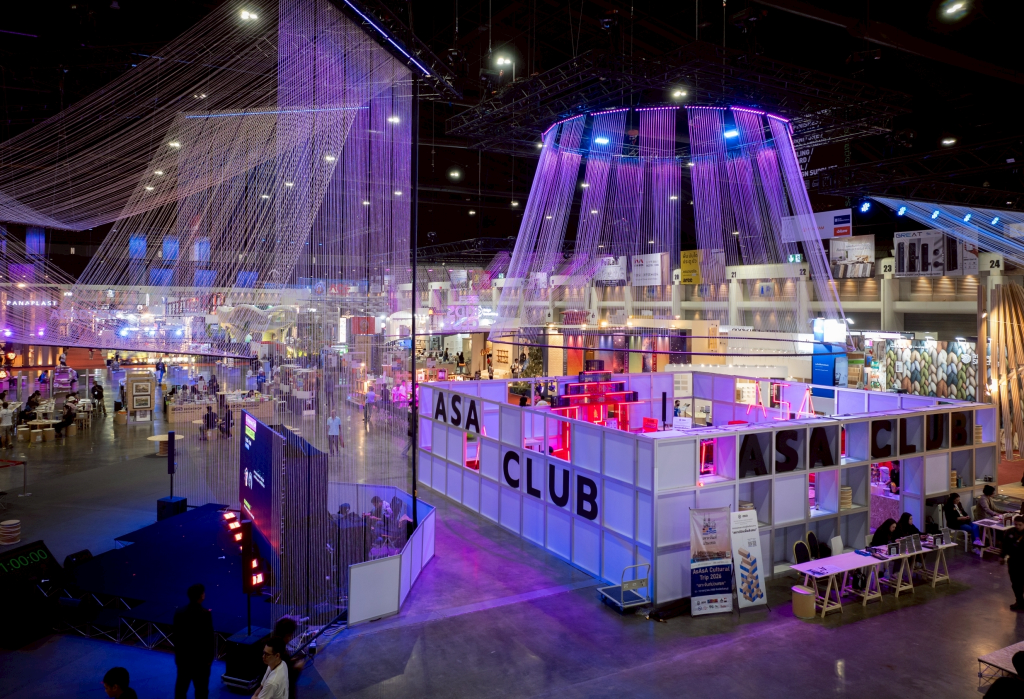
For exhibitions with highly limited setup periods, trying to solve every problem on installation day is not D-63’s preferred approach.
The company places strong emphasis on pre-set and rehearsal before entering the actual venue, particularly for complex booths.
Some projects may require approximately one month of preparation from production and disassembly to trial assembly and detailed planning of the booth’s location, entrances, and the sequence in which each component will enter the venue.
The process is similar to rehearsing before stepping onto a stage. Every team member needs to understand what they are responsible for and how each component fits together. Once the team reaches the actual site, the number of decisions that need to be made can therefore be significantly reduced.
However, D-63 does not expect everything at the venue to go perfectly 100%. There are always external factors beyond the team’s control. The company therefore allows approximately 10% contingency in its planning and prepares responses to potential situations such as heavy rain, strong winds, or moisture affecting materials during transportation.
The goal is not to eliminate every possible problem, but to prepare as thoroughly as possible and close as many gaps as possible. When unexpected situations arise, the team can then still have options for resolving them while maintaining the delivery schedule.
The Hardest Part Is Not Technical It’s Understanding
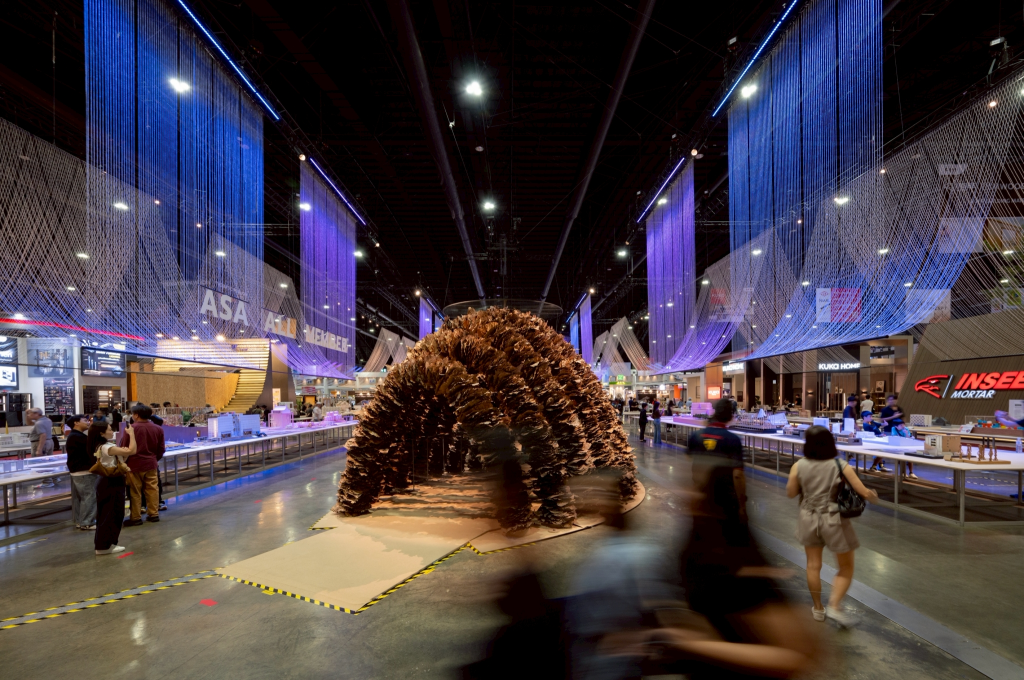
Based on D-63’s experience, most of the challenges in Exhibition projects are not purely technical. No matter how complex a design may be, if there is sufficient time, budget, and an appropriate team, a solution can usually be found.
The more difficult challenge is ensuring that everyone involved shares the same understanding.
At the core of a project are three main parties: the client, the designer, and the contractor. In reality, however, event organizers, venue regulations, and other stakeholders also become part of the equation.
Each party has different responsibilities and limitations. Unclear communication can therefore create problems that affect subsequent stages of the project.
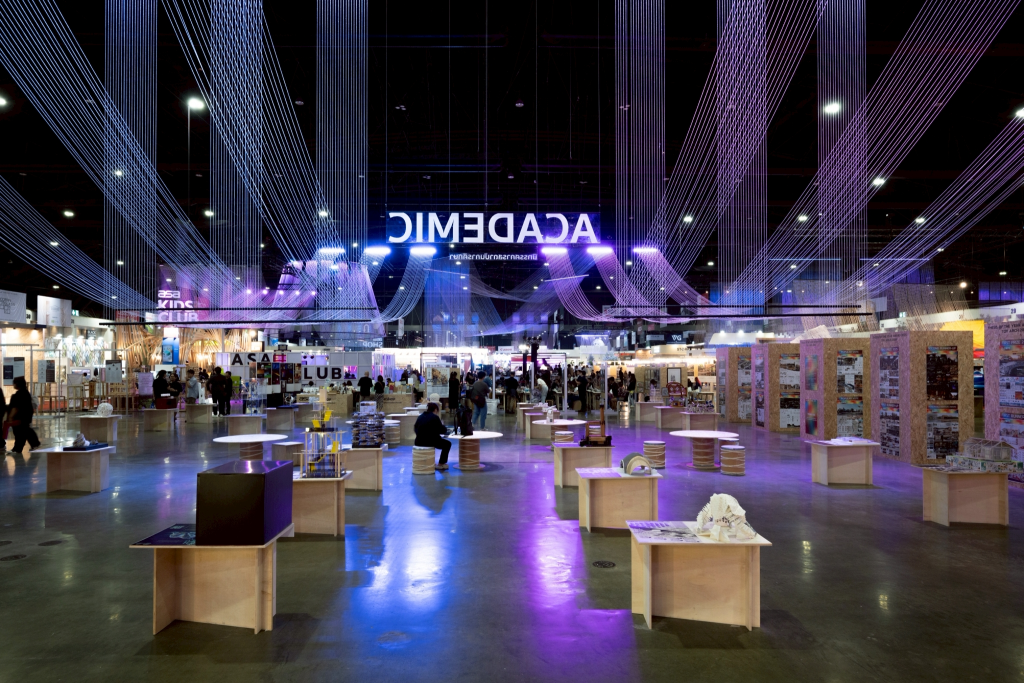
This is particularly relevant to Architect Expo, which D-63 sees as a highly collaborative environment involving clients, designers, and contractors working closely together. At the same time, the exhibition must showcase the capabilities of designers, products, materials, and innovations within the same space.
The success of a project therefore cannot depend on the contractor alone. It depends on all three parties sharing a common understanding of the project’s quality, quantity, and requirements and supporting one another as a single team.
Sustainability Is Not a Limitation It Is a New Exhibition Brief
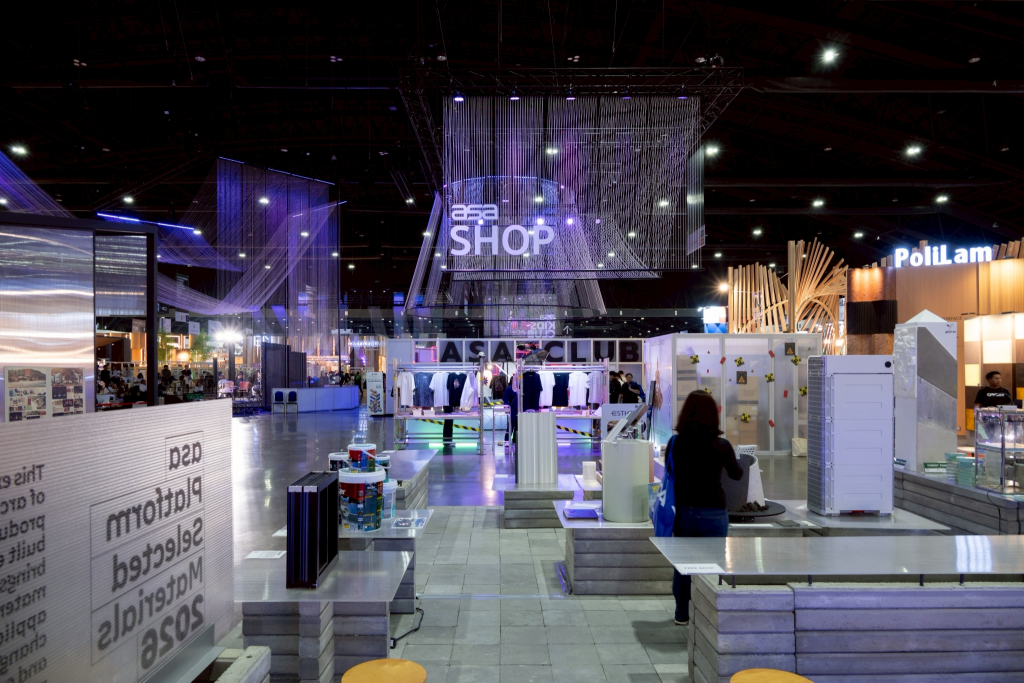
For D-63, sustainability should not be something considered only after an exhibition ends. It should begin during the Brief and Conceptual Design stages.
The choices made about materials and construction methods from the outset can help reduce production steps, transportation, and resource consumption.
The company therefore places importance on carbon calculations, as well as advising clients and designers on modular materials and products that can be reused.
Dr. Supalak gives the example of Aluminium Beams with integrated lighting systems, which can reduce setup procedures and be reused for future projects. One component can therefore serve multiple purposes within the same process — reducing installation time, eliminating repetitive work, and minimizing the resources required for each project.
From D-63’s perspective, this represents a shift from conventional approaches to sustainability toward thinking at a more systemic or regenerative level.
The question is no longer simply where materials will go after an exhibition ends. Instead, the process should begin by asking how products and construction methods can be selected to reduce resource consumption, transportation, production steps, and carbon emissions throughout the entire project lifecycle.
However, D-63 does not believe sustainability should come at the expense of aesthetics or creativity. Exhibition spaces still need enough visual impact to attract visitors, encourage photography, generate conversations, and create meaningful results for brands.
The challenge is therefore not choosing between “beautiful” and “sustainable.” It is finding ways to create work that remains distinctive and effective while using resources responsibly.
Sustainability does not mean reducing creativity. Rather, it presents a new design challenge — one that requires everyone involved to think further from the beginning and find the right balance between visual impact, constructability, cost-effectiveness, and responsible resource use.
This balance is most effectively achieved when the client, designer, and contractor are involved together from the Brief stage.
Making Possibilities Happen from Day One
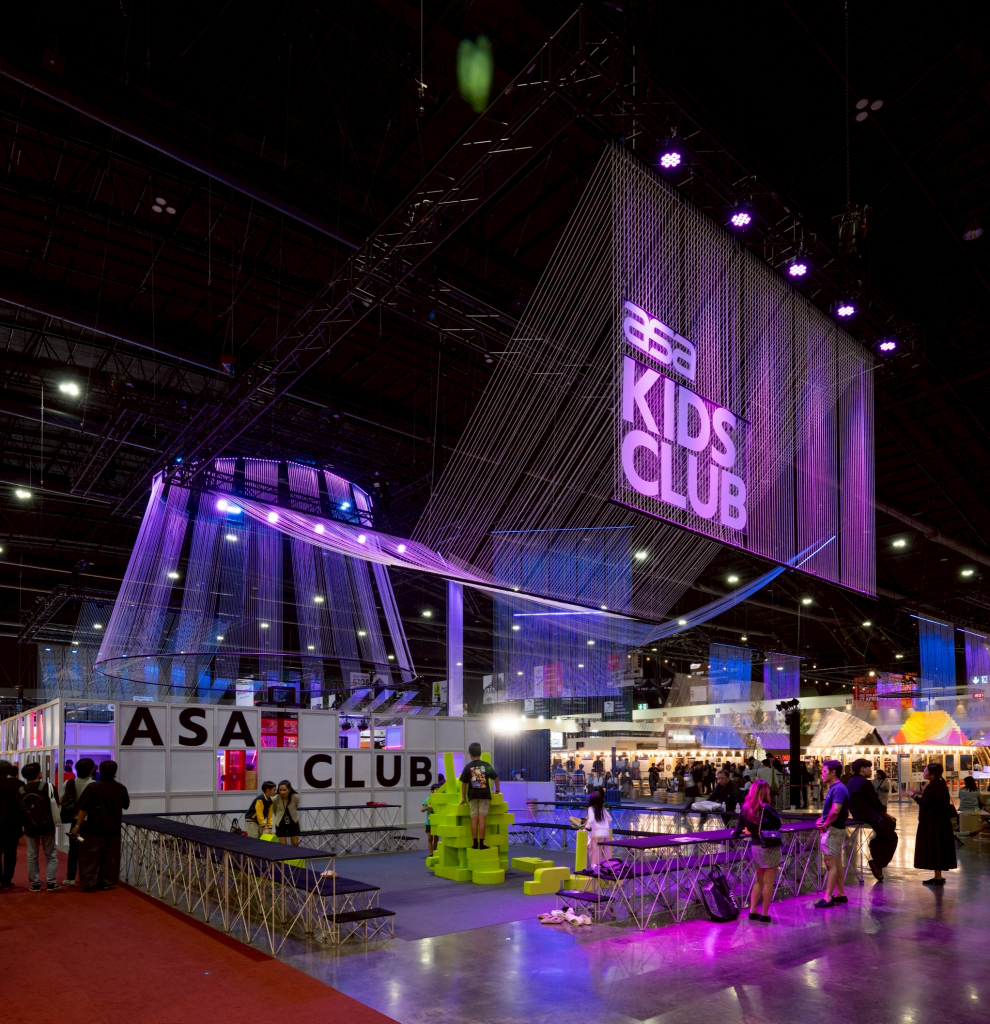
For D-63, a good exhibition booth does not begin on the day the design is completed. It begins on the day all parties sit down together and discuss the brief.
Throughout the design process, there are countless details that need to be considered collectively production methods, materials, budget, schedule, and the limitations of the actual exhibition space.
Bringing the contractor into the process from the beginning is therefore not simply about determining whether a booth “can be built.” It is about finding ways to make the concept possible without waiting for problems to appear on installation day.
From D-63’s perspective, this is what makes the role of a contractor much more than construction.
When everyone shares the same vision from the beginning, the team can make better decisions about what should be retained, what should be adjusted, and where investment matters most.
Ultimately, the finished project can remain true to the designer’s vision, fulfill the client’s objectives, and operate within realistic conditions.
Because in the world of Exhibitions, the challenge is not to make the work as easy as possible.
It is to make difficult and ambitious ideas happen realistically, efficiently, and meaningfully.
And that is the space where D-63 wants to be involved, from day one.